 OFA Electrical
1 / 3
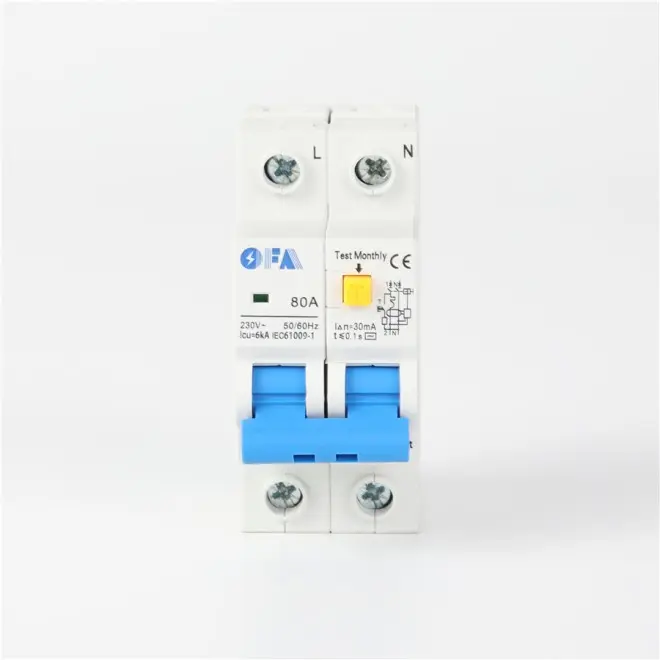
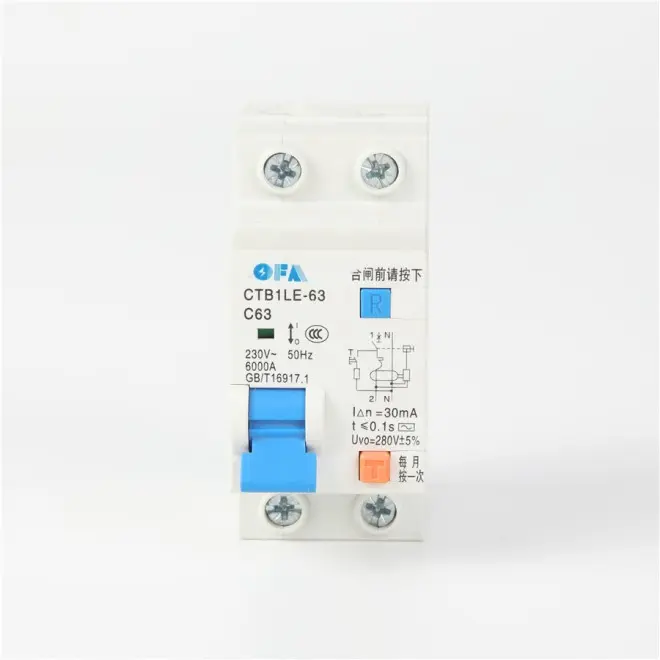
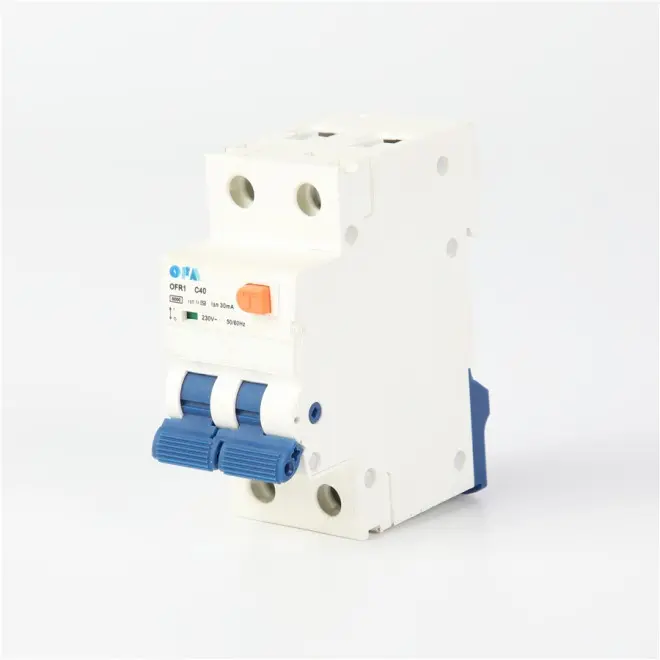
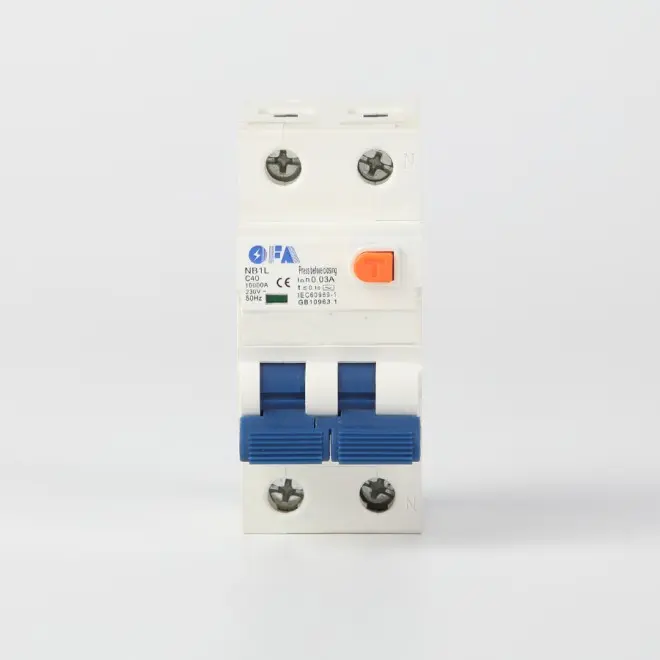
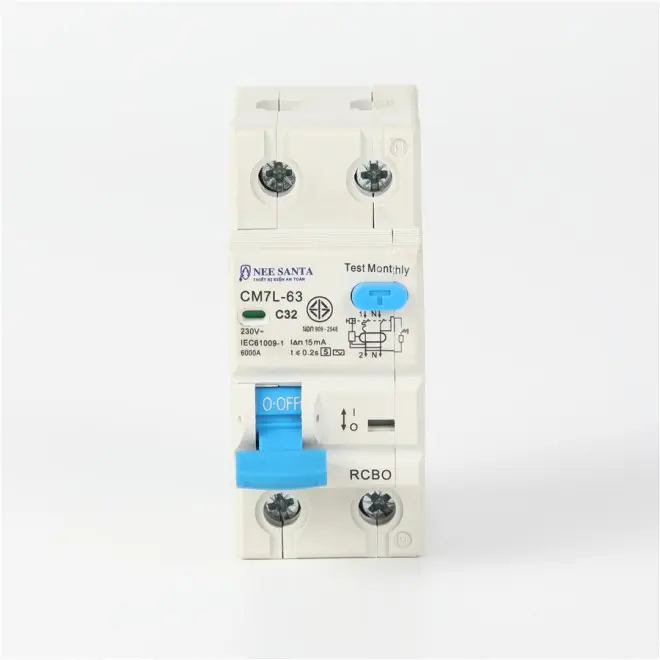
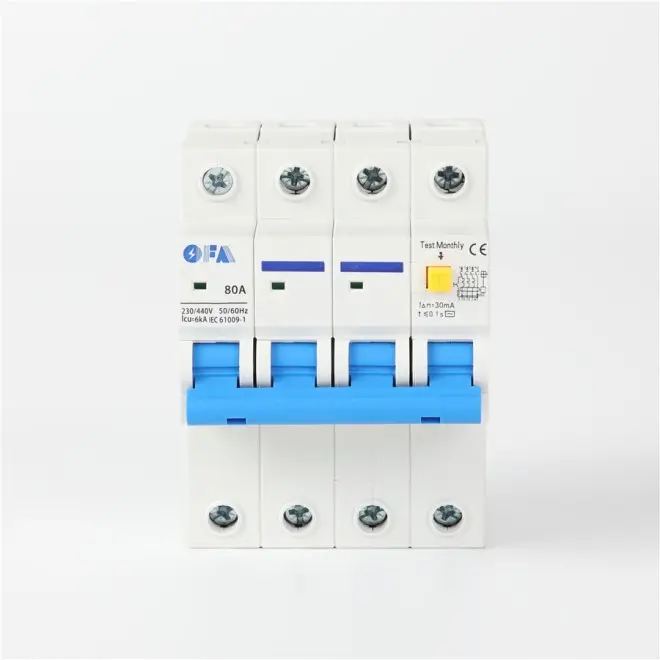
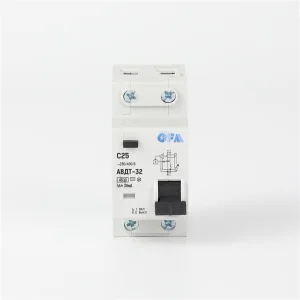
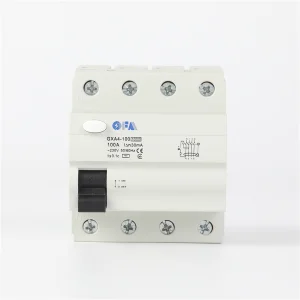
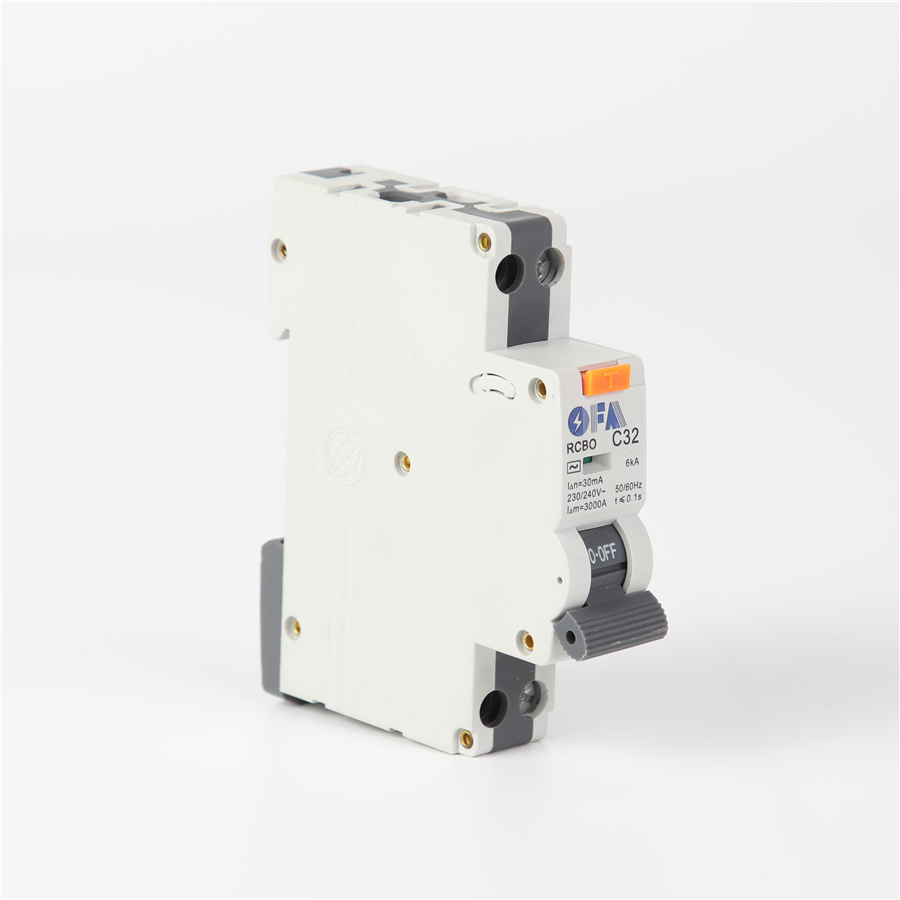
A Residual Current Circuit Breaker is designed to protect people against electric shocks and prevent electrical fires by automatically disconnecting the circuit when a leakage current to earth is detected.
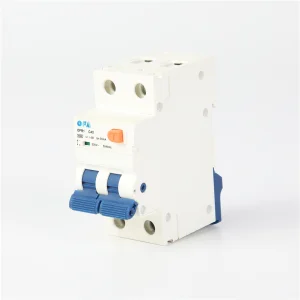
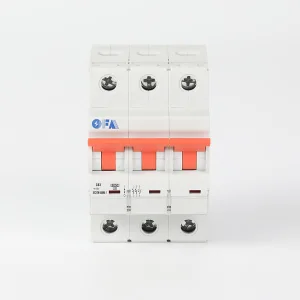
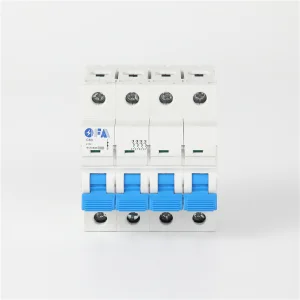
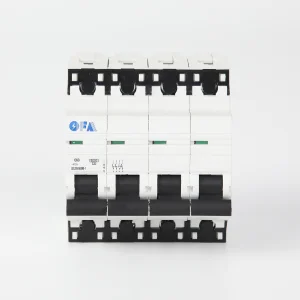
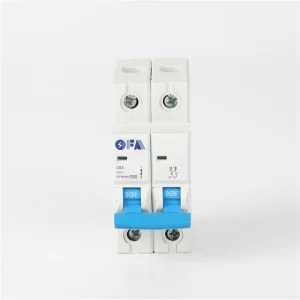
A 2P (Two-Pole) circuit breaker is typically used in single-phase electrical systems to switch both live and neutral lines. A 4P (Four-Pole) circuit breaker is intended for three-phase systems with neutral lines to ensure comprehensive earth leakage protection.
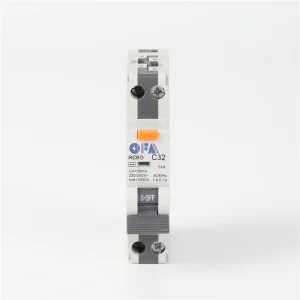
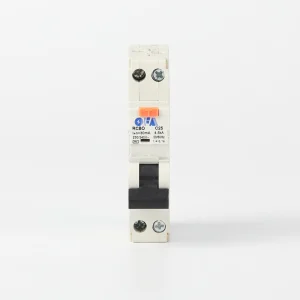
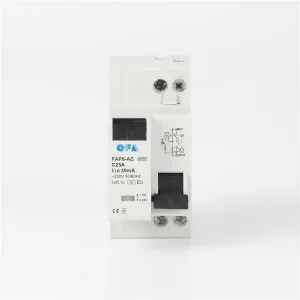
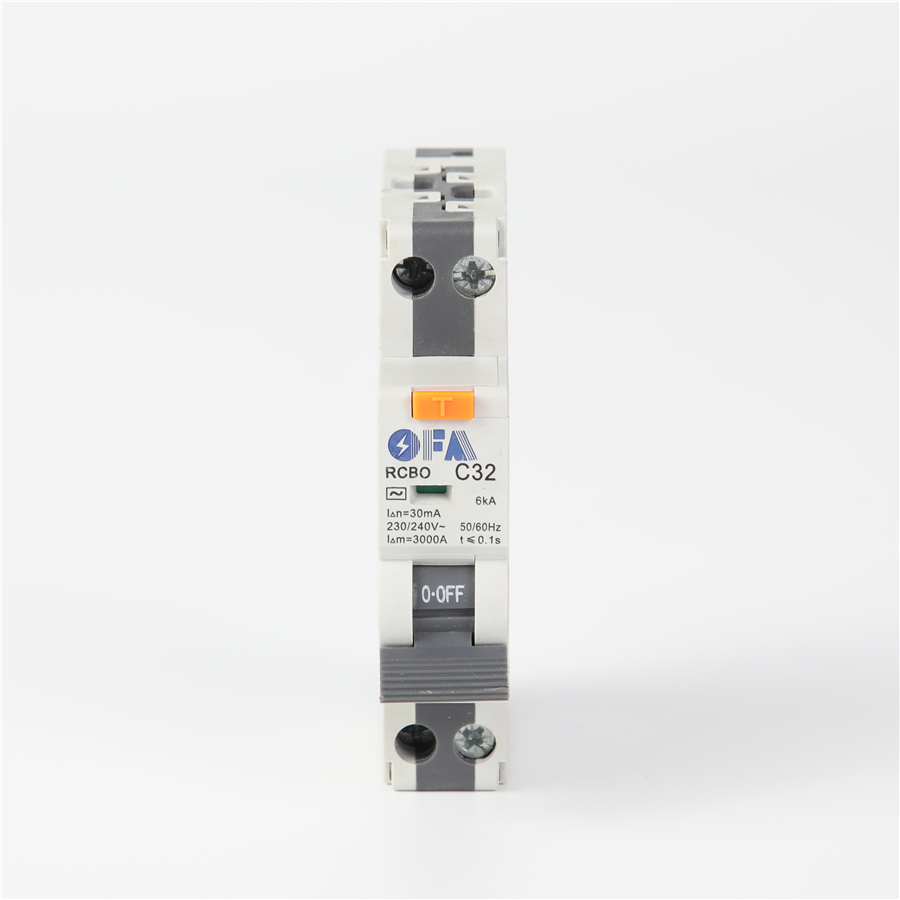
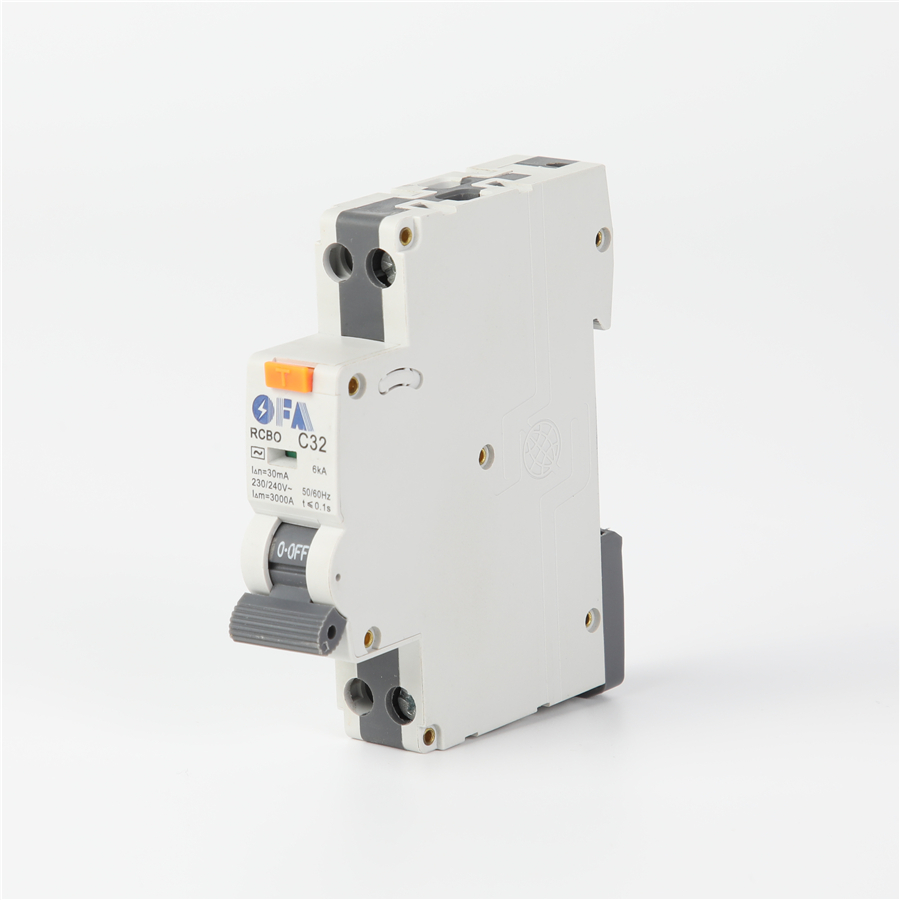
An RCBO combines earth leakage protection with overcurrent protection. It protects electrical installations against both current overload and short-circuit faults alongside earth leakage risks.
Selection depends on the total maximum load requirement of the connected electrical circuit. Standard residential circuits often use lower ratings (e.g., 32A), while heavy-duty commercial or main distribution points require higher ratings (e.g., 63A or 80A).
They are widely applied in residential distribution panels, commercial buildings, industrial facilities, and outdoor distribution boxes where reliable electrical protection and safety compliance are required.