 OFA Electrical
1 / 3
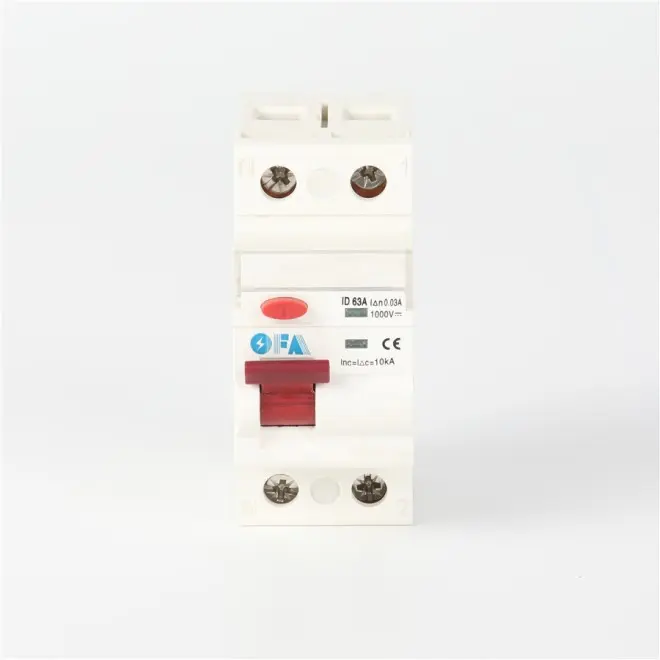
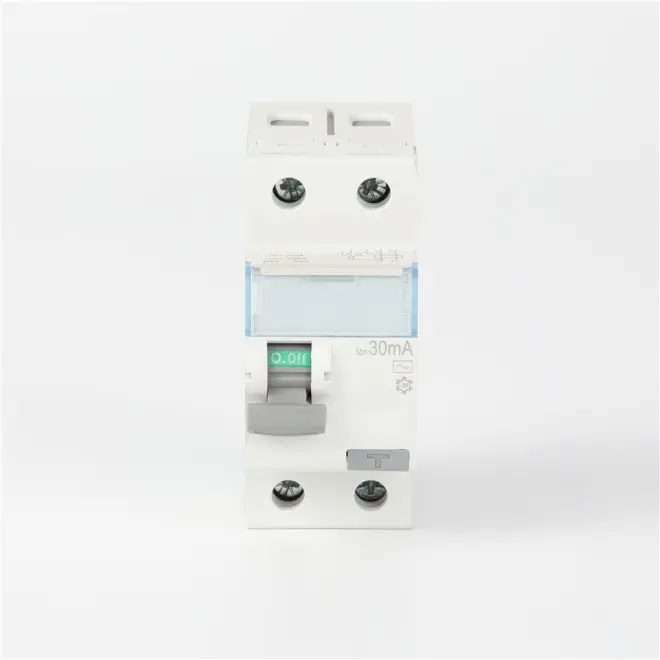
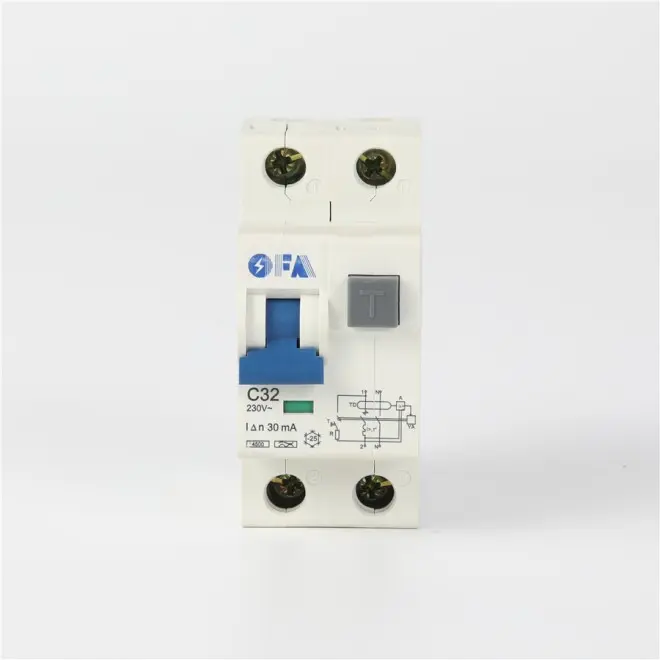
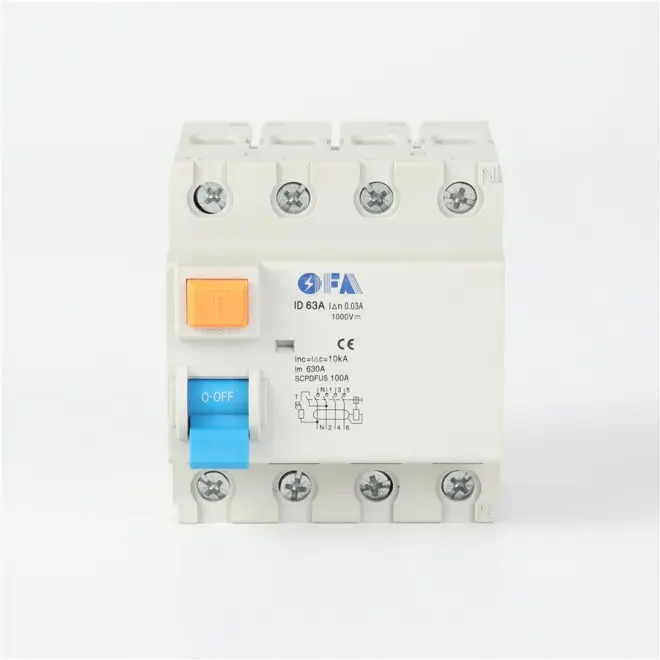
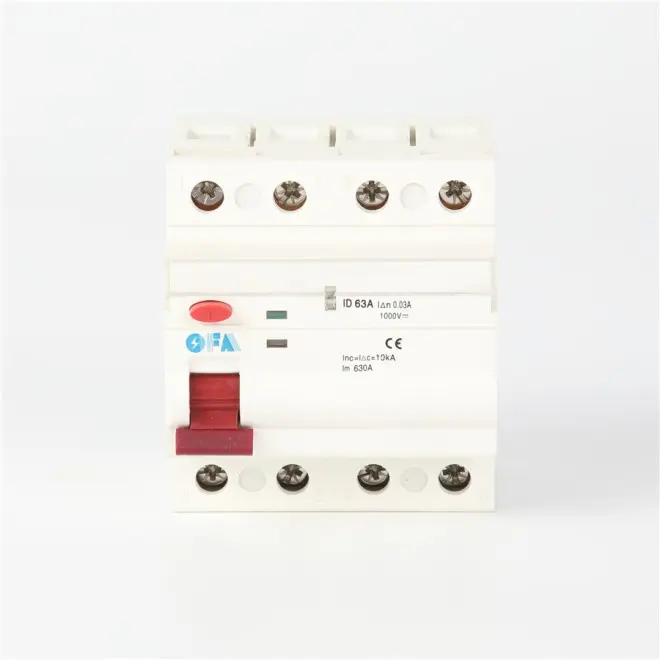
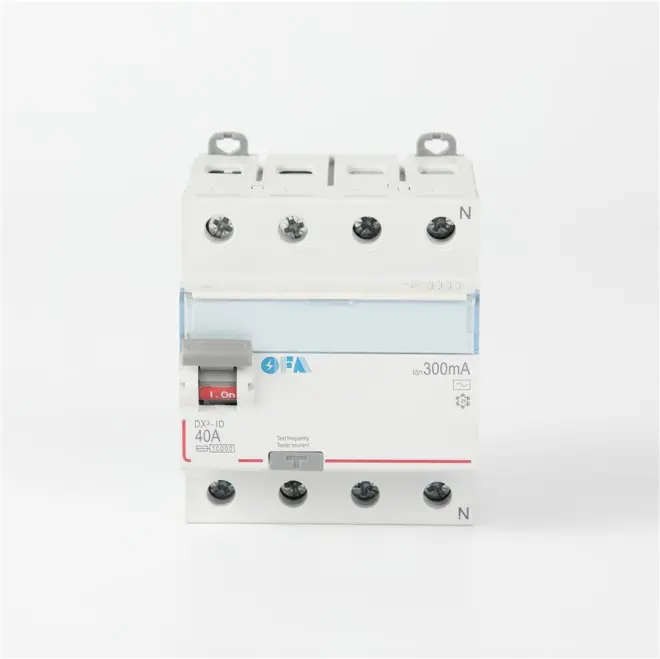
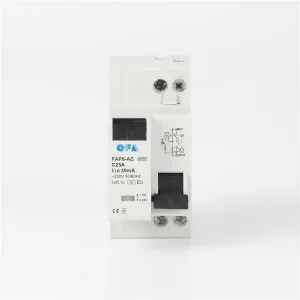
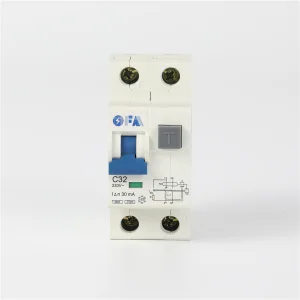
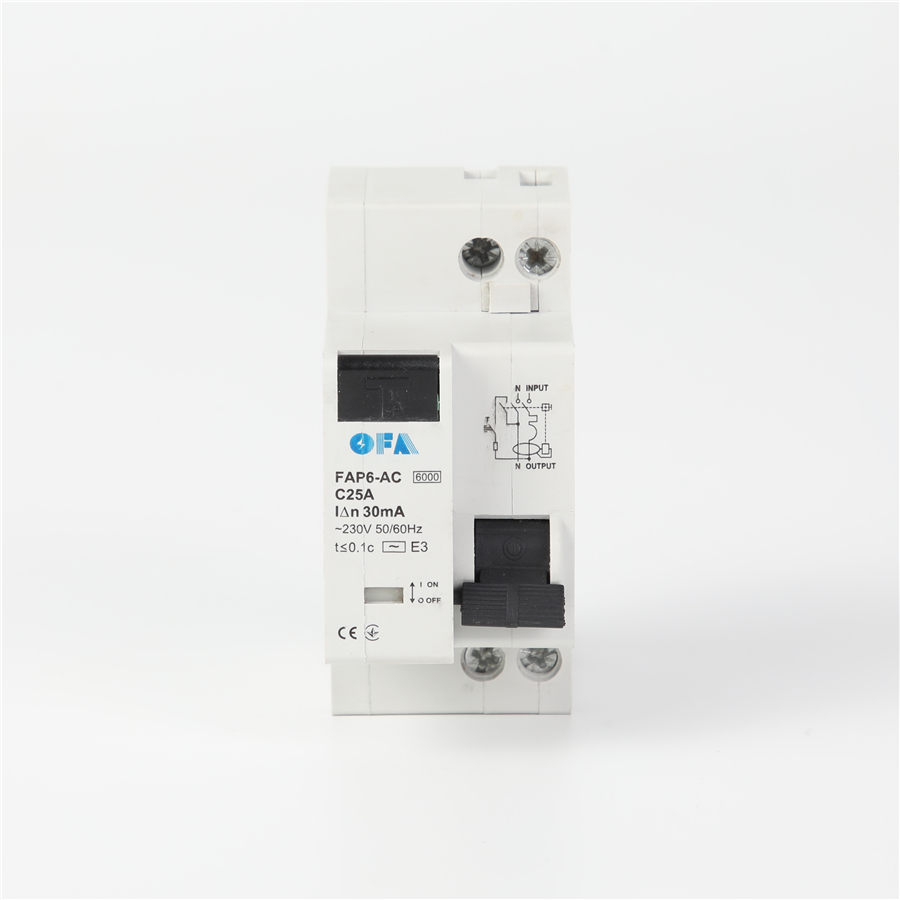
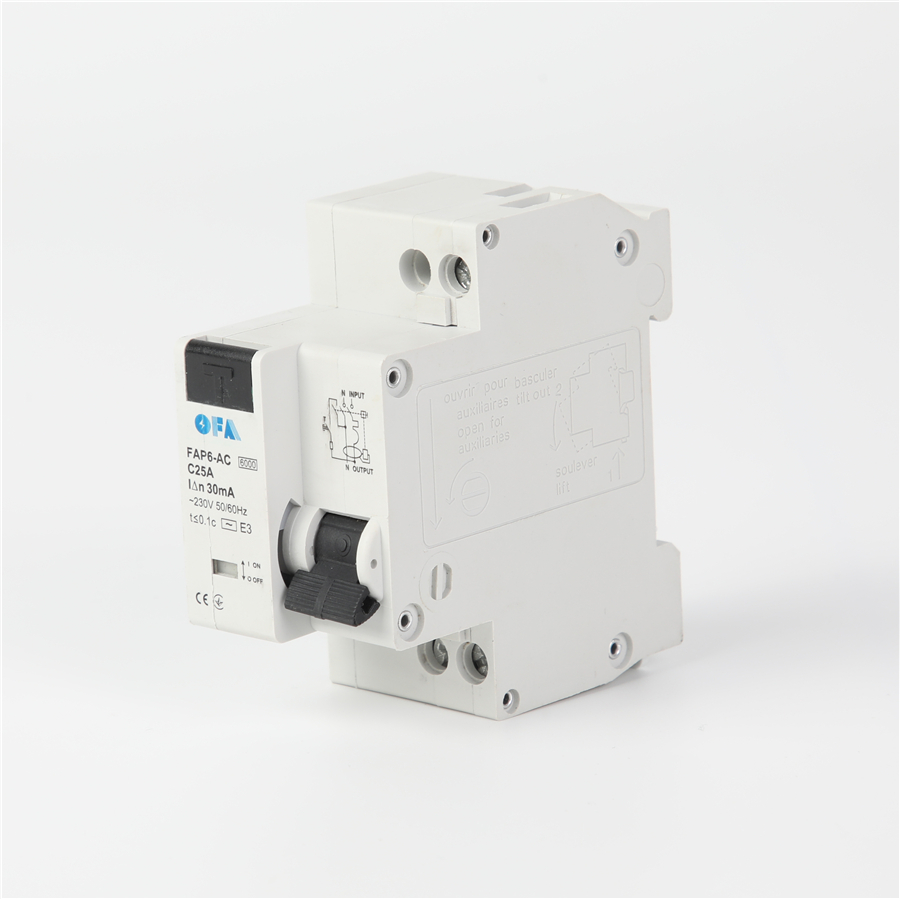
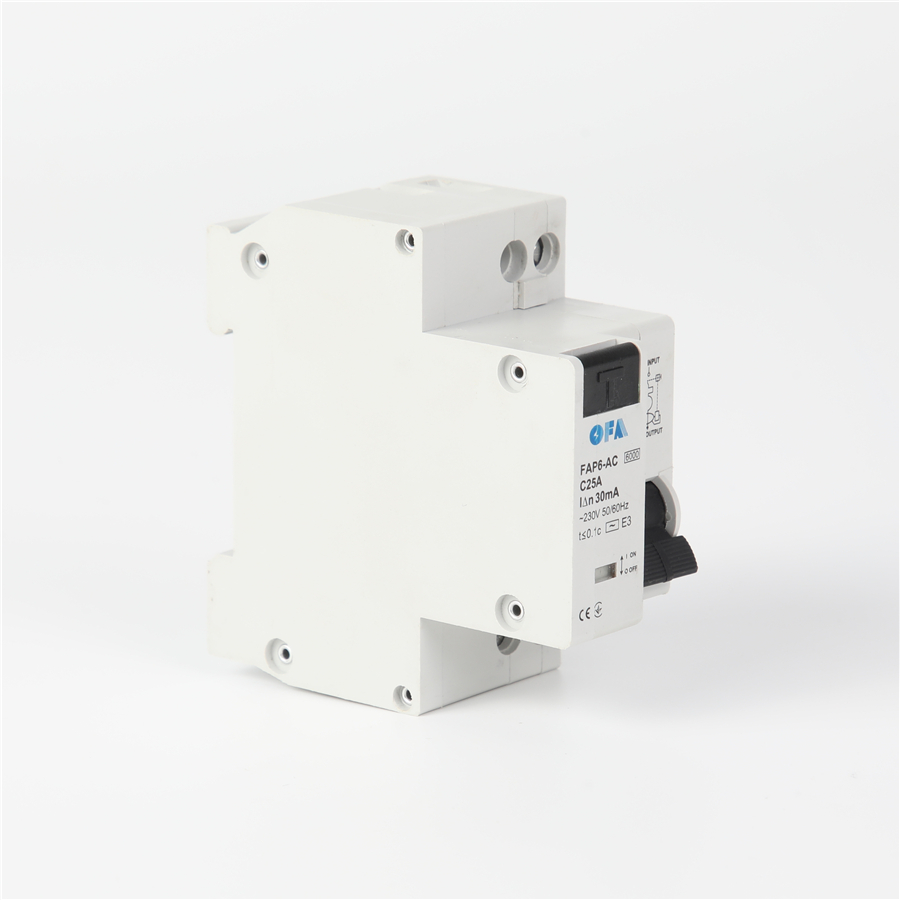
An RCCB is designed to automatically detect electrical leakage currents and quickly disconnect the circuit to prevent fatal electric shocks and mitigate fire hazards caused by earth faults.
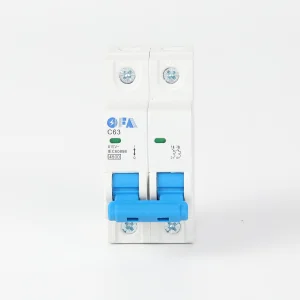
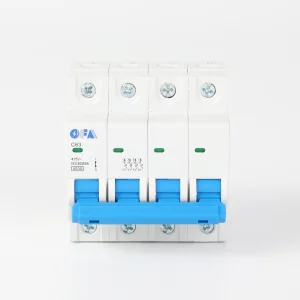
A 2P (Two-Pole) RCCB is utilized for single-phase electrical systems typical in residential environments, whereas a 4P (Four-Pole) RCCB is engineered for three-phase commercial or industrial electrical distribution systems.
DC RCCBs are specifically designed for applications generating or using direct current, such as solar photovoltaic installations, electric vehicle (EV) charging stations, and specialized industrial equipment.
It is recommended to perform a functional test once every month by pressing the built-in "Test" button to verify that the internal tripping mechanism operates properly.
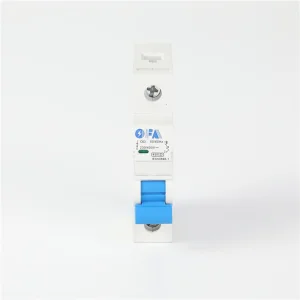
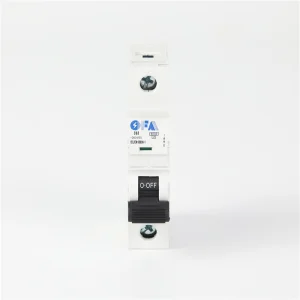
Standard RCCBs focus exclusively on earth leakage protection. For complete protection against overcurrents and short circuits, an RCCB should be paired with a standard miniature circuit breaker (MCB) or replaced by an RCBO.