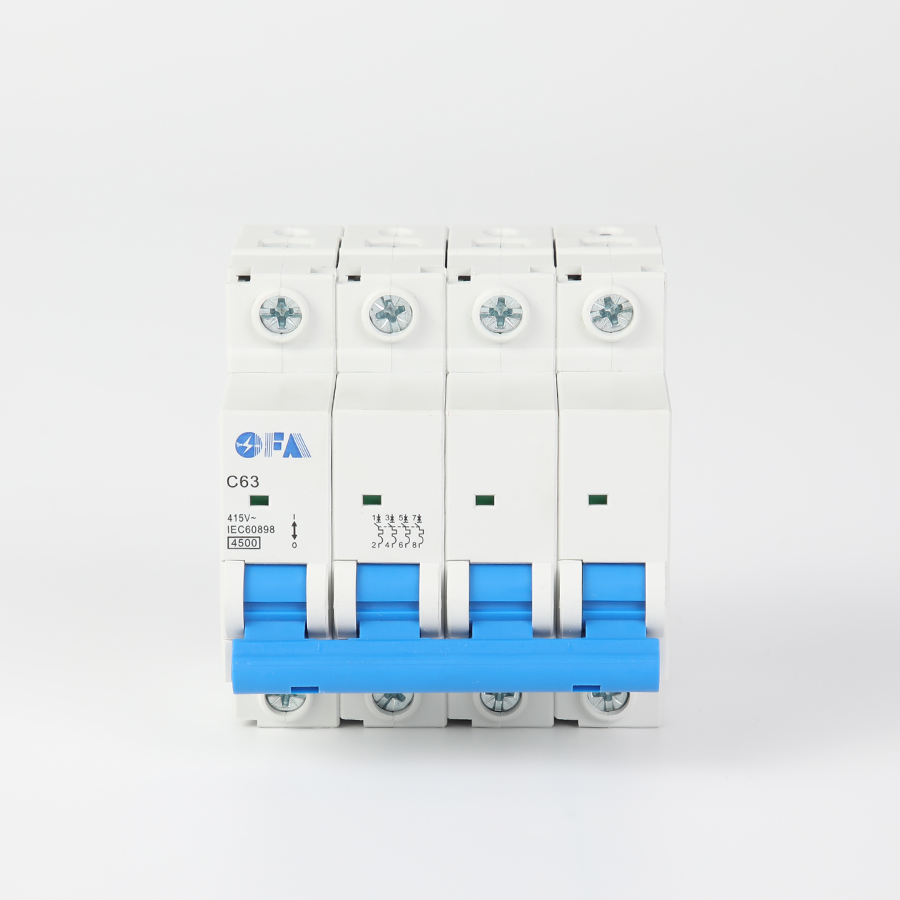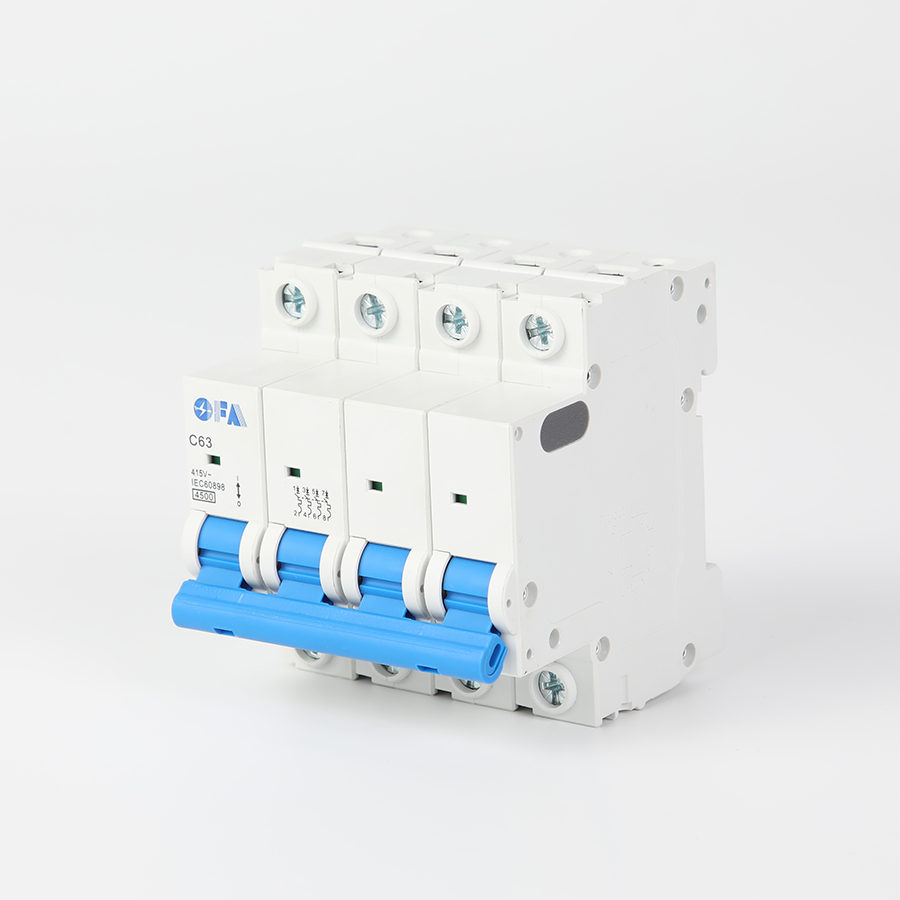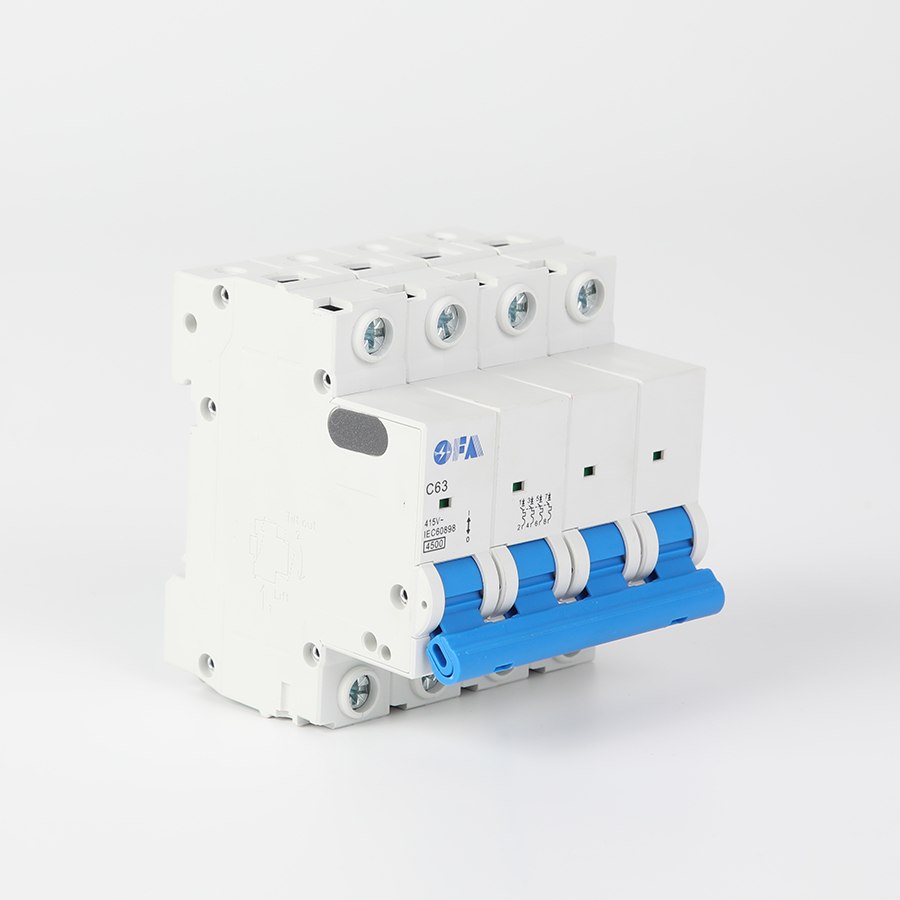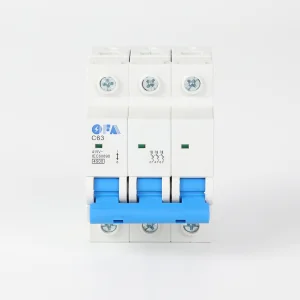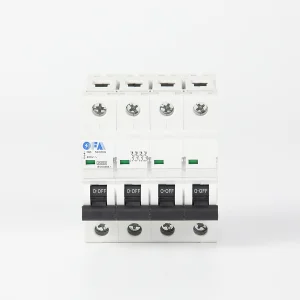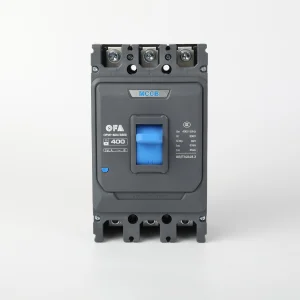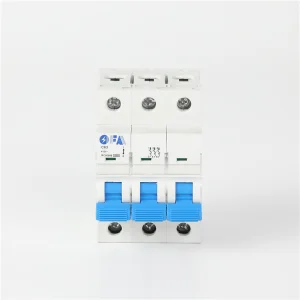
OEM OFKL-NXB Series 4P Miniature Circuit Breaker Suppliers, Supplier

The OFKL-NXB series four-pole (4P) miniature circuit breaker is a full-pole protection device developed for three-phase four-wire (3P+N) low-voltage distribution systems. The product is designed in strict compliance with international electrotechnical standards such as IEC 60898. Its core function relies on a built-in integrated four-pole mechanical linkage mechanism to provide simultaneous overload and short-circuit protection for the three phase lines (L1, L2, L3) and the neutral line (N), while also achieving complete electrical isolation of the circuit. This circuit breaker effectively prevents systemic risks caused by neutral line faults or abnormal potentials, ensures safe power supply to sensitive loads, and meets the highest level of safety isolation requirements. Therefore, it is particularly suitable for industrial distribution, commercial distribution and data centre applications that demand high continuity of supply, operational safety, and system integrity.

Product Description

Related Products

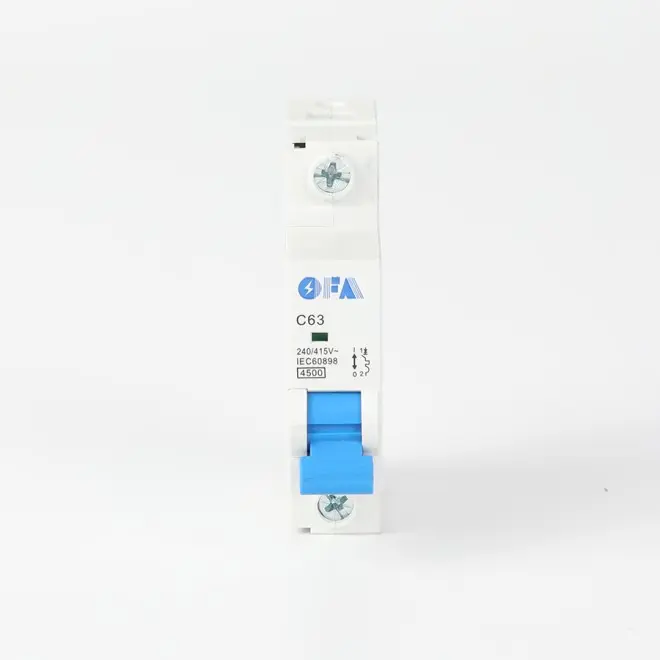
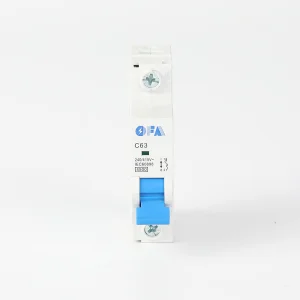
OFKL-NXB Series 1P Miniature Circuit Breaker

OFKL-NXB Series 1P Miniature Circuit Breaker

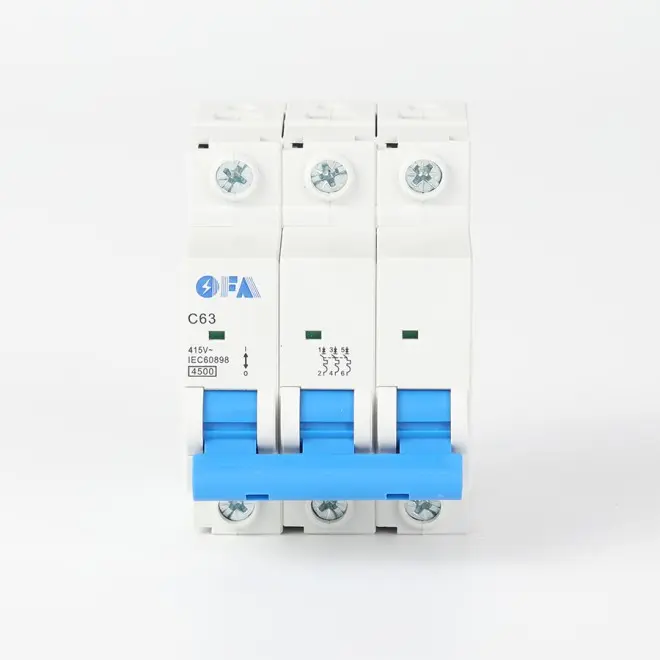
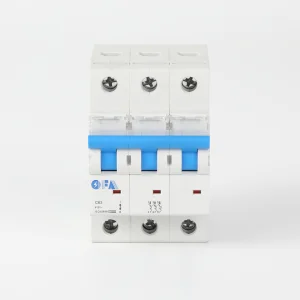
OFKL-NXB Series 3P Miniature Circuit Breaker

OFKL-NXB Series 3P Miniature Circuit Breaker

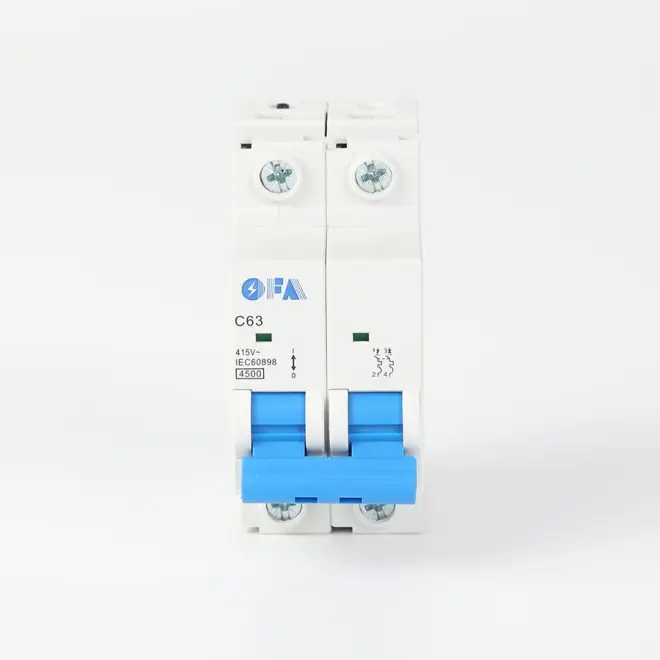
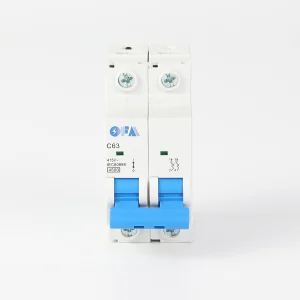
OFKL-NXB 2P Miniature Circuit Breaker

OFKL-NXB 2P Miniature Circuit Breaker

Frequently Asked Questions

What is a Miniature Circuit Breaker (MCB)?

A Miniature Circuit Breaker (MCB) is an automatically operated electrical switch designed to protect low-voltage electrical circuits from damage caused by excess current, overloads, or short circuits.

What is the difference between 1P, 2P, and 3P circuit breakers?

1P (Single Pole) protects one single phase circuit; 2P (Double Pole) protects two lines or a live and neutral line; 3P (Triple Pole) is designed to protect three-phase power systems used in higher load electrical applications.

How do I select the right MCB for my application?

Selecting the appropriate MCB depends on the operating current rating, breaking capacity, tripping characteristics (such as B, C, or D curves), and the exact number of poles required by your electrical system layout.

What causes an MCB to trip?

An MCB typically trips due to an electrical overload (too many devices drawing current), a short circuit (direct contact between live and neutral wires), or a ground fault condition.

Can miniature circuit breakers be reused after tripping?

Yes, unlike traditional fuses, MCBs are reusable. Once the underlying electrical fault is resolved, the operating lever can simply be switched back to the "ON" position.
Related Products