 OFA Electrical
1 / 3
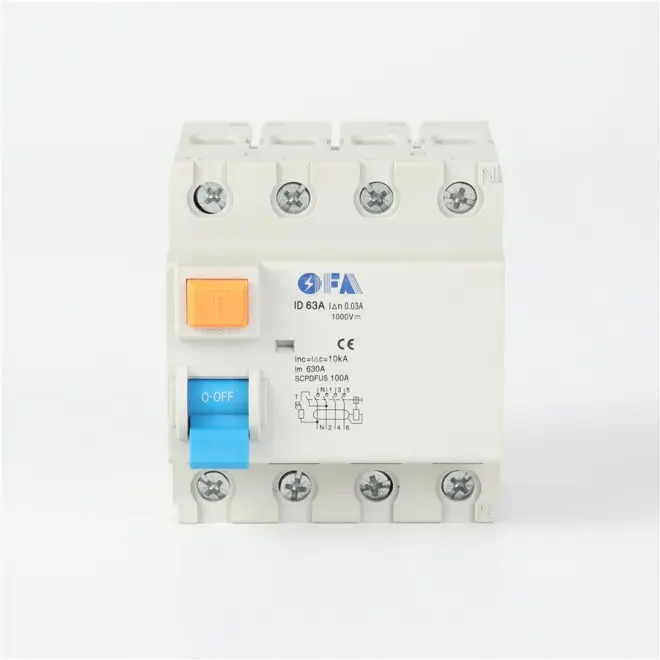
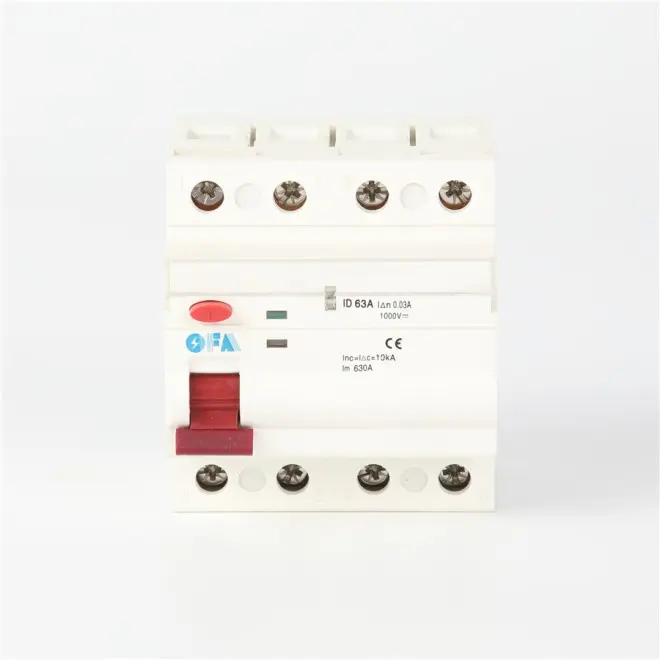
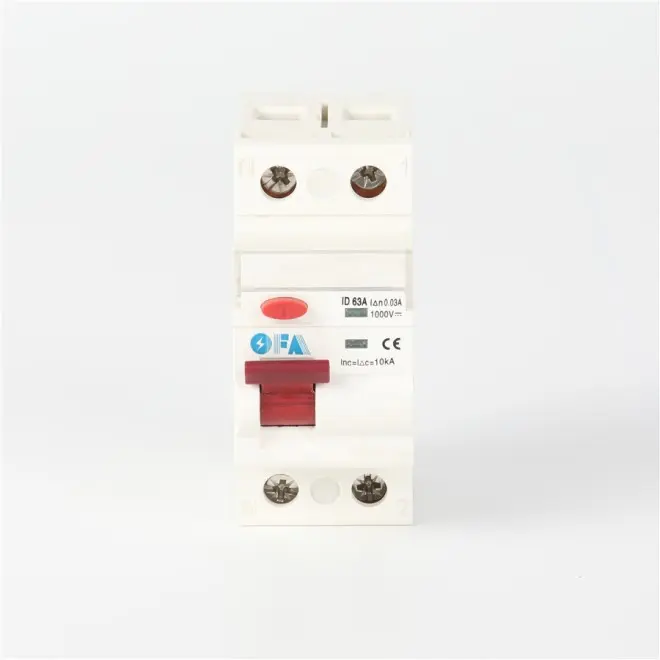
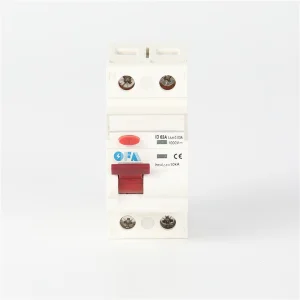
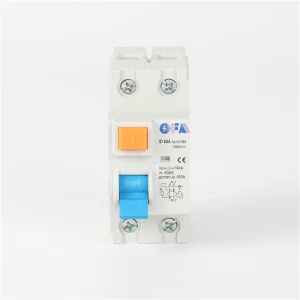
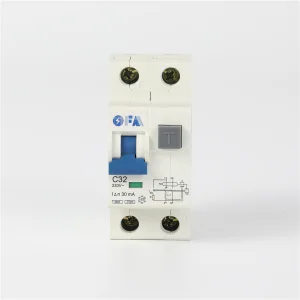
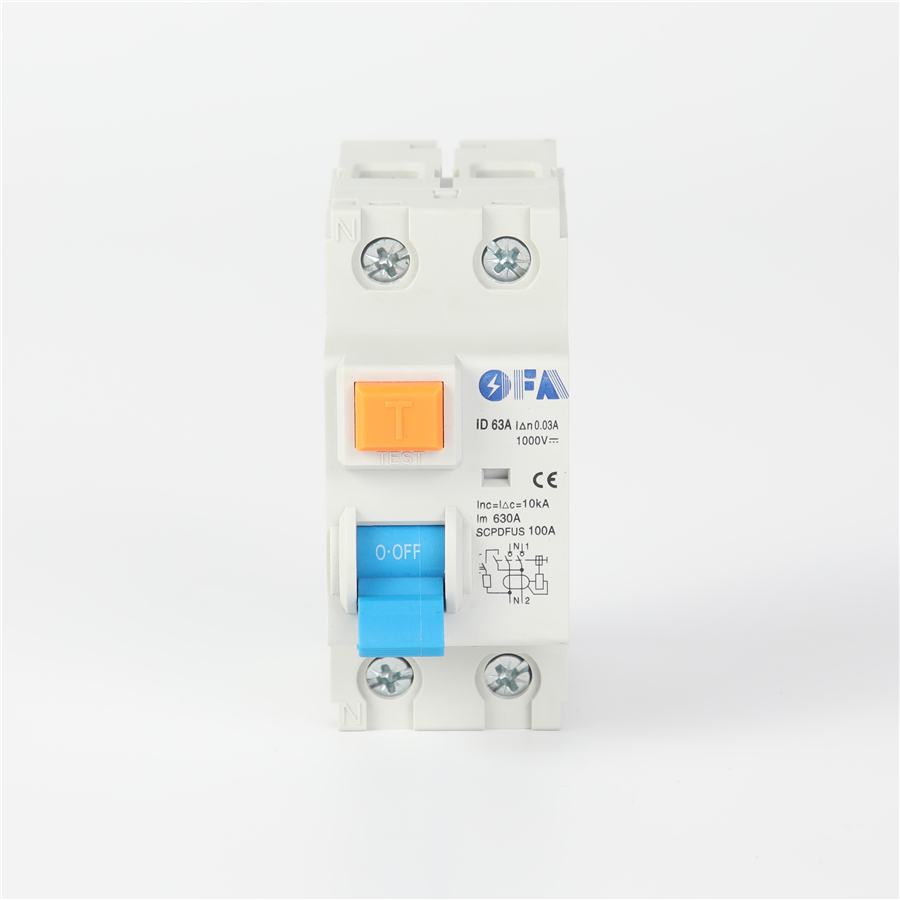
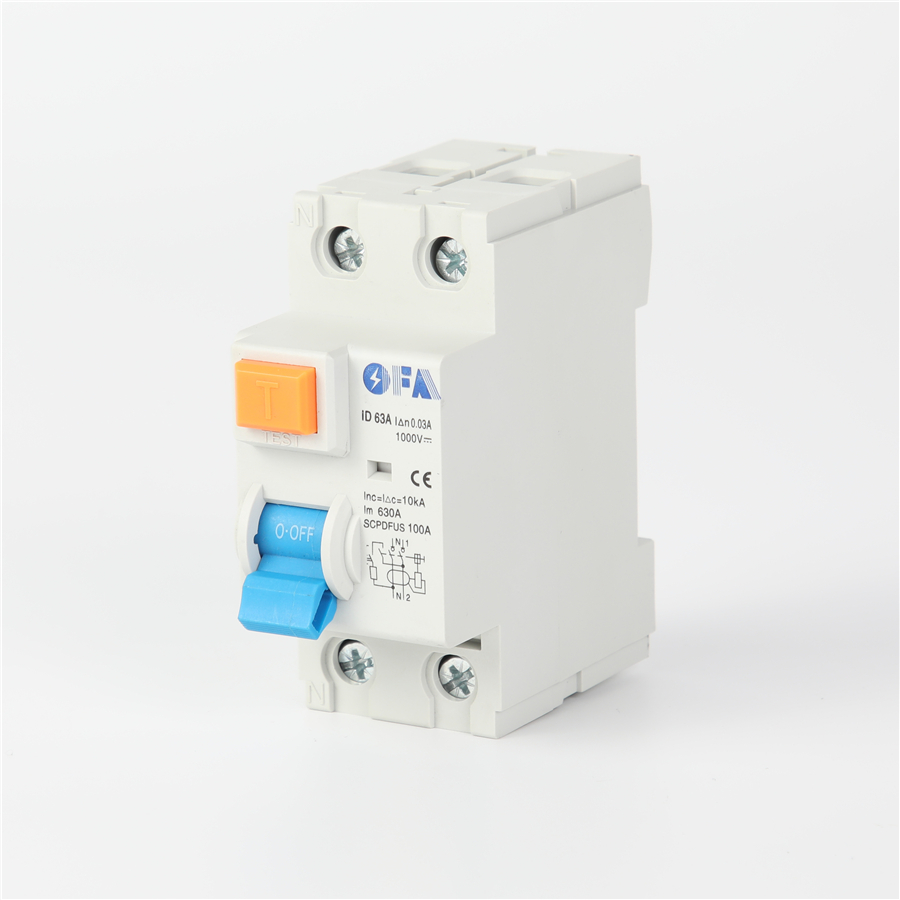
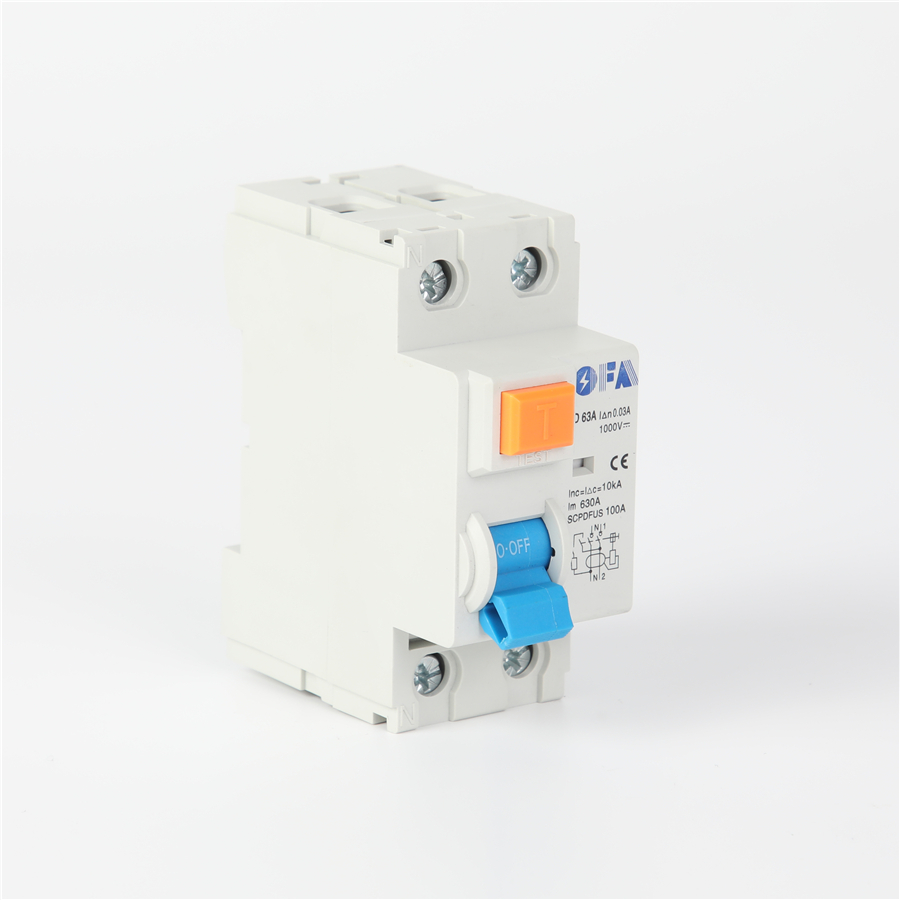
An RCCB is designed to protect electrical circuits against earth leakage currents. It automatically trips and disconnects the power supply when a residual fault current exceeds the rated threshold, protecting individuals from electrical shocks and preventing potential electrical fires.
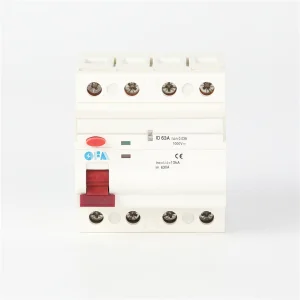
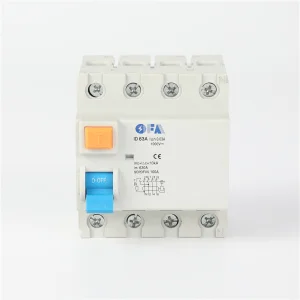
A 2P (Two-Pole) RCCB is typically used for single-phase electrical systems, switching both the live and neutral lines. A 4P (Four-Pole) RCCB is built for three-phase four-wire systems or specialized DC applications, providing complete protection across all four conductors simultaneously.
Modern installations like solar PV systems, EV charging stations, and industrial automation use DC currents. Standard AC RCCBs cannot detect smooth DC leakage currents, making high-performance DC residual current circuit breakers vital for preventing insulation failures and equipment hazards.
Selection depends on the application safety requirements. A 30mA rating is generally recommended for personal protection against electric shock, while higher ratings like 100mA or 300mA are typically utilized for fire prevention and equipment protection in commercial or industrial environments.
It is recommended to test the RCCB monthly by pressing the built-in "Test" (T) button. This simulates a safe leakage condition to verify that the internal tripping mechanism is operating correctly.