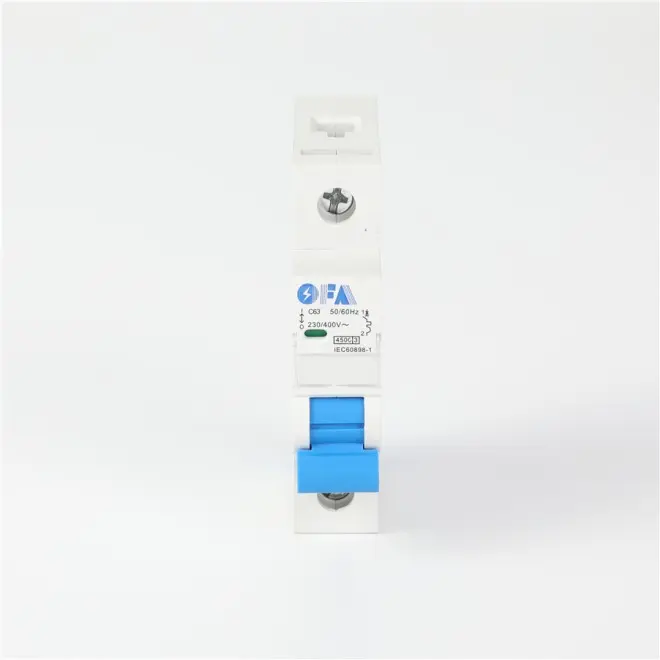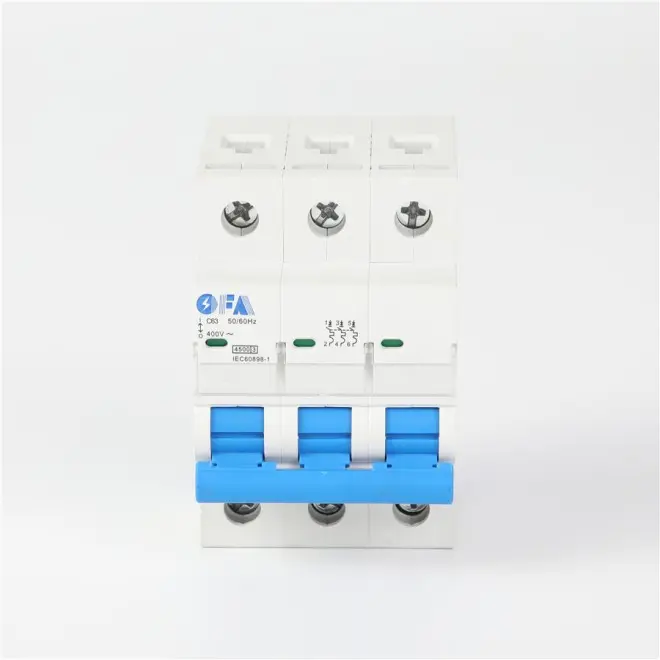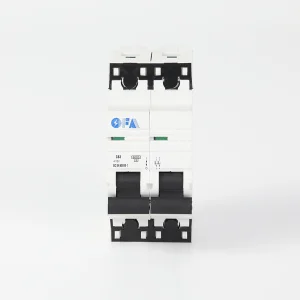
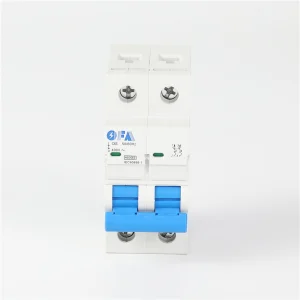
China OFAFT Series 2P Miniature Circuit Breaker Manufacturers, Manufacturer

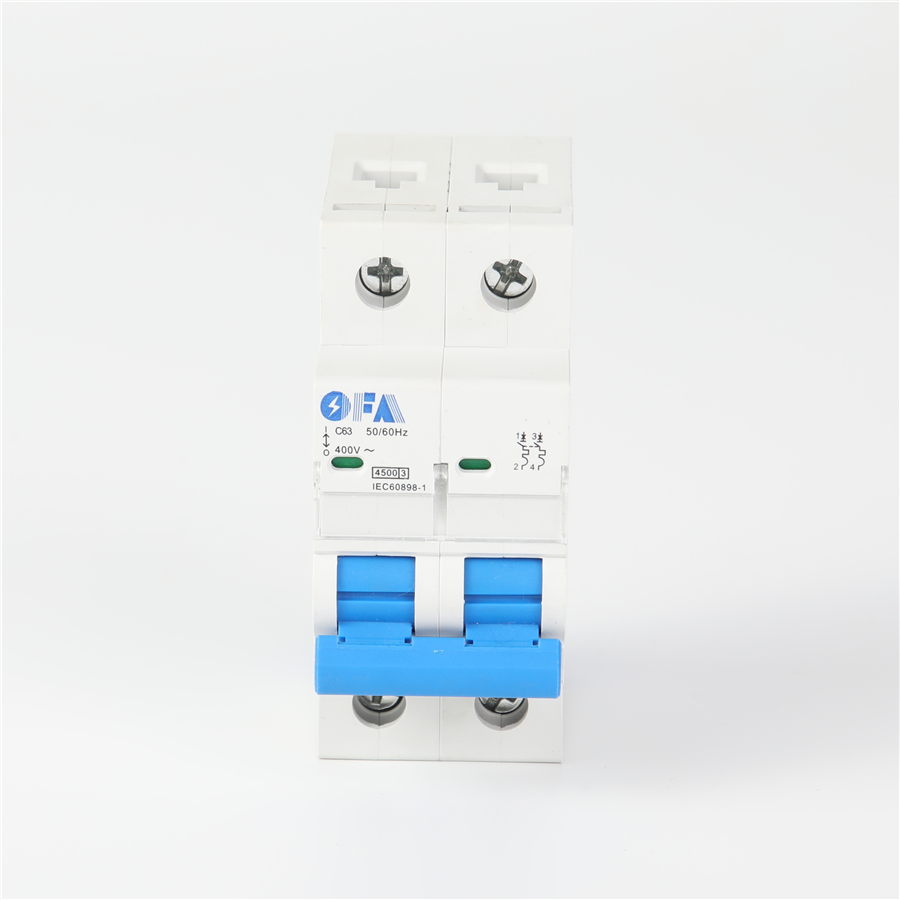
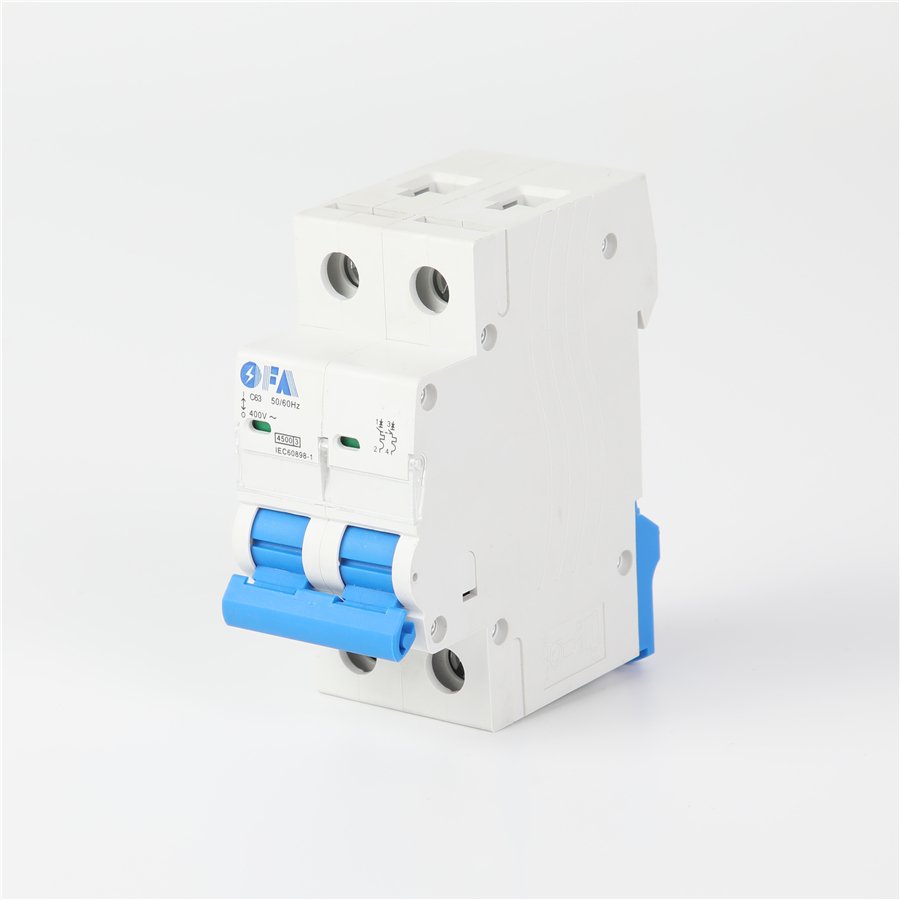
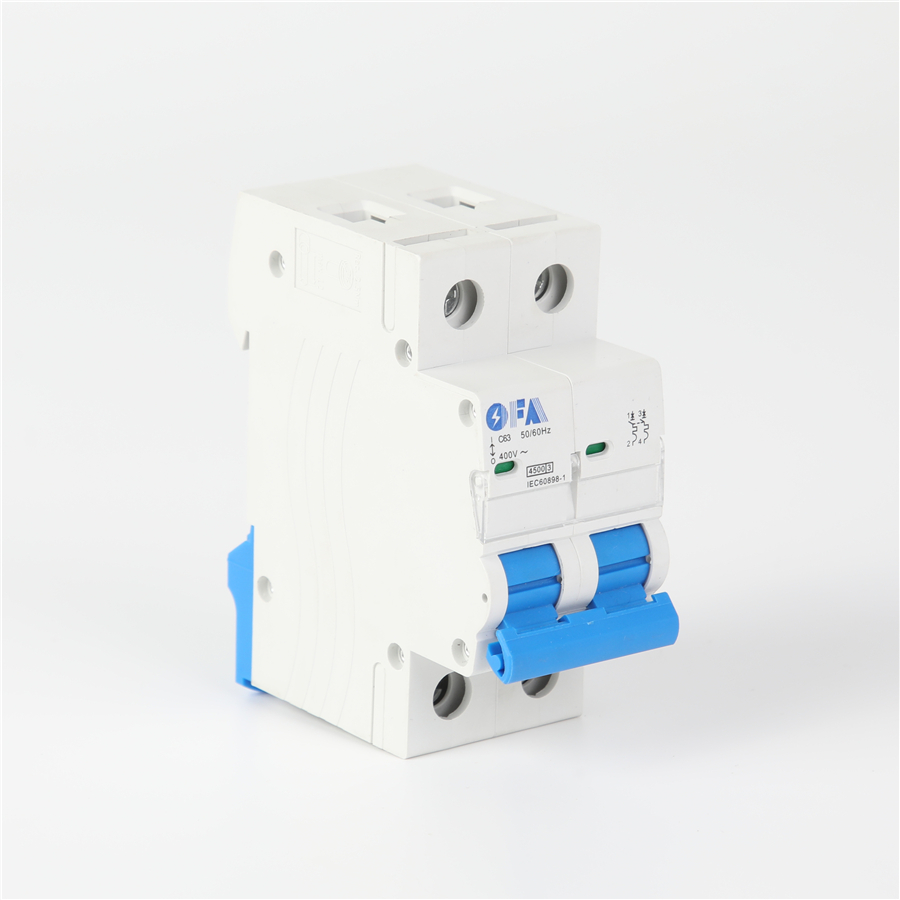
The OFAFT Series 2P (Double-Pole) miniature circuit breaker is a high-performance, all-pole protection device specifically engineered for single-phase AC distribution systems. Its core design features an internal, mechanically linked mechanism that enables the simultaneous interruption of both the line (L) and neutral (N) conductors. This product delivers precise overload and short-circuit protection while ensuring complete electrical isolation of the circuit. It fundamentally eliminates the potential safety risks associated with an unisolated neutral conductor, making it particularly suitable for power distribution applications with explicit requirements for operational safety and fault isolation integrity.

Product Description

Related Products

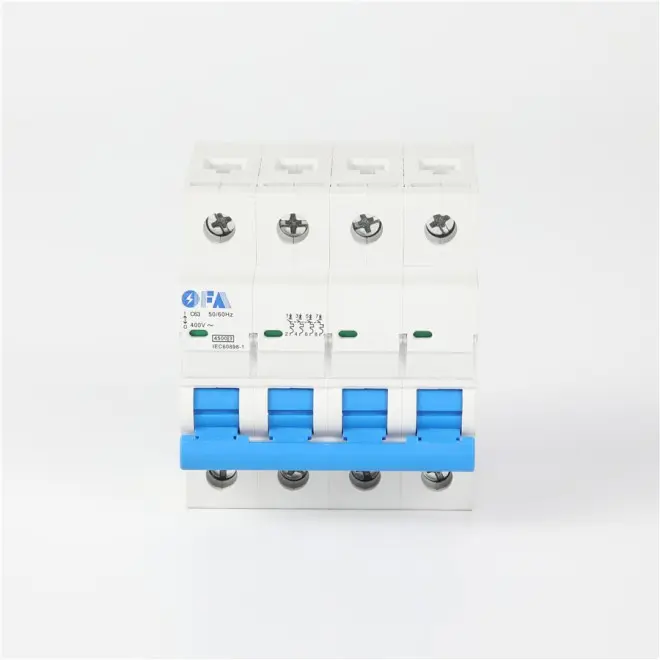
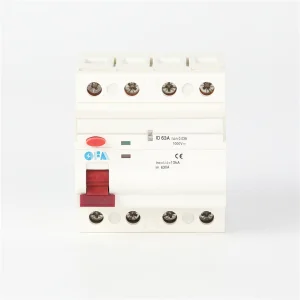
OFAFT Series 4P Miniature Circuit Breaker

OFAFT Series 4P Miniature Circuit Breaker

4-Pole Protection
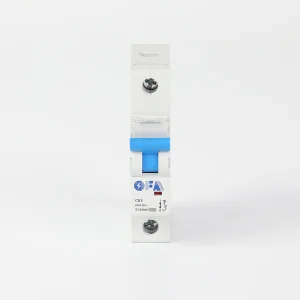
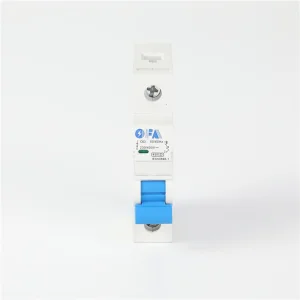
OFAFT Series 1P Miniature Circuit Breaker

OFAFT Series 1P Miniature Circuit Breaker

1-Pole Protection
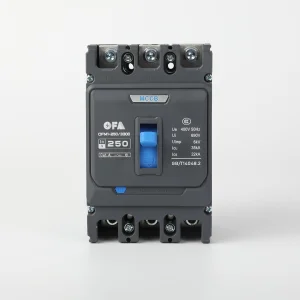
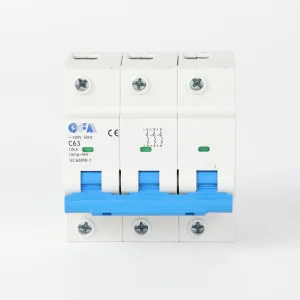
OFAFT Series 3P Miniature Circuit Breaker

OFAFT Series 3P Miniature Circuit Breaker

3-Pole Protection

Frequently Asked Questions

What is the primary function of a Miniature Circuit Breaker (MCB)?

A Miniature Circuit Breaker (MCB) automatically switches off the electrical circuit during abnormal conditions such as overloads or short circuits to protect connected equipment and wiring from damage.

What is the difference between 1P, 3P, and 4P MCBs?

A 1P MCB protects a single phase line; a 3P MCB protects three-phase lines suitable for three-phase equipment; a 4P MCB protects three phase lines plus the neutral line for comprehensive circuit isolation.

What causes a Miniature Circuit Breaker to trip?

Common causes for tripping include circuit overload (connecting too many electrical devices), short circuits (direct contact between live and neutral wires), or ground fault issues.

How do I select the right MCB rating for my electrical setup?

Selection depends on the total continuous current drawn by the load, the current-carrying capacity of the wiring, and the required tripping curve (Type B, C, or D) based on application type.

Are AC MCBs compatible with DC electrical circuits?

Standard AC MCBs should generally not be used for DC circuits because DC electrical arcs are harder to extinguish. Dedicated DC circuit breakers should be used for DC applications like solar or battery systems.

How frequently should an MCB be inspected or replaced?

Visual inspections should be conducted annually. If an MCB trips repeatedly under normal load conditions or fails to reset properly, it should be replaced immediately by a certified professional.
Related Products