 OFA Electrical
1 / 3
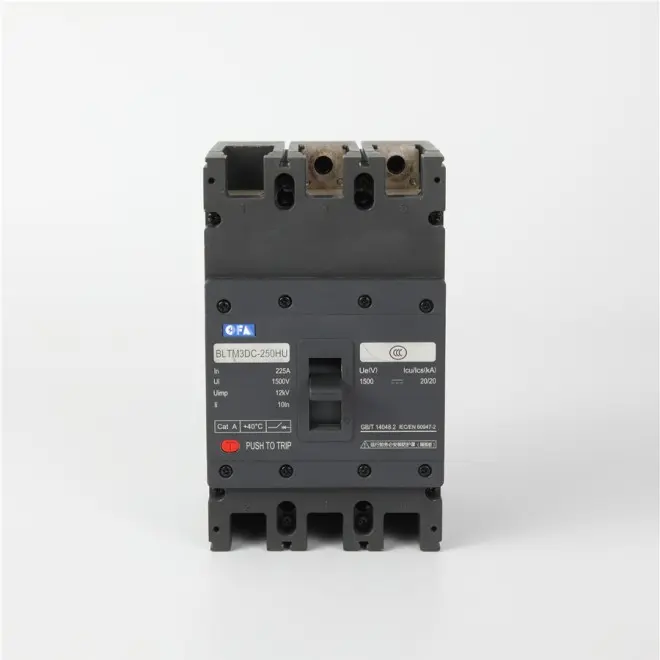
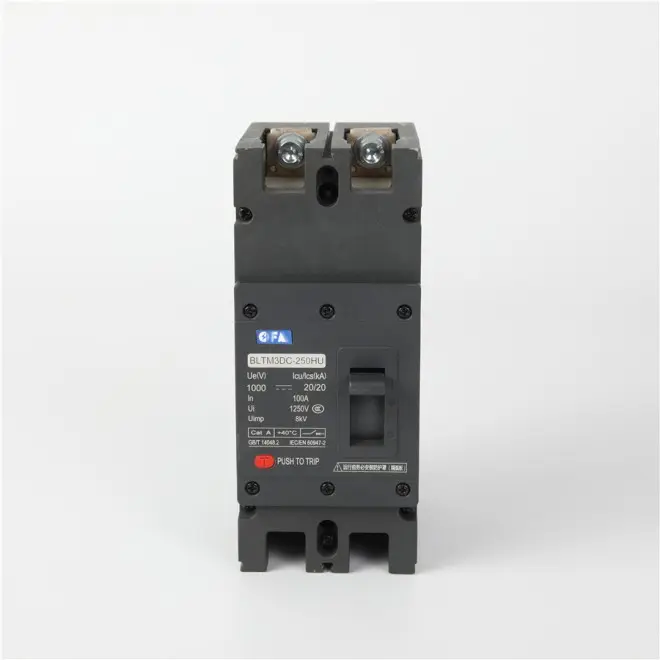
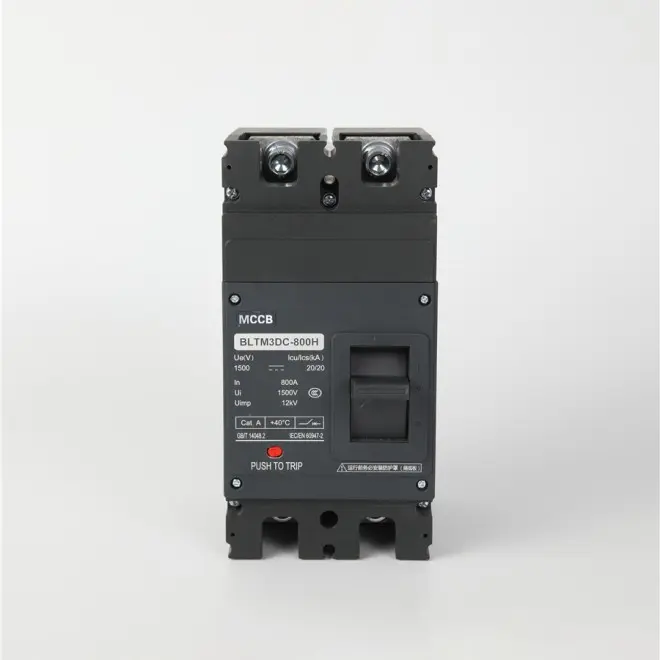
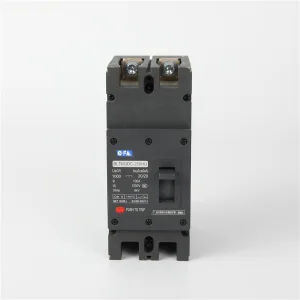
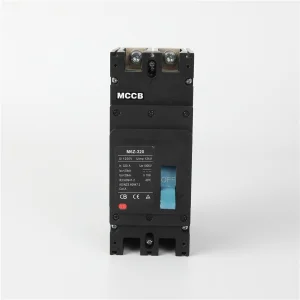
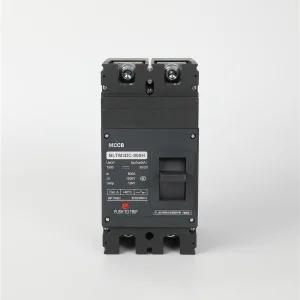
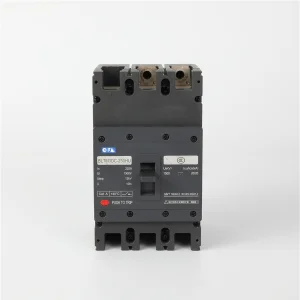
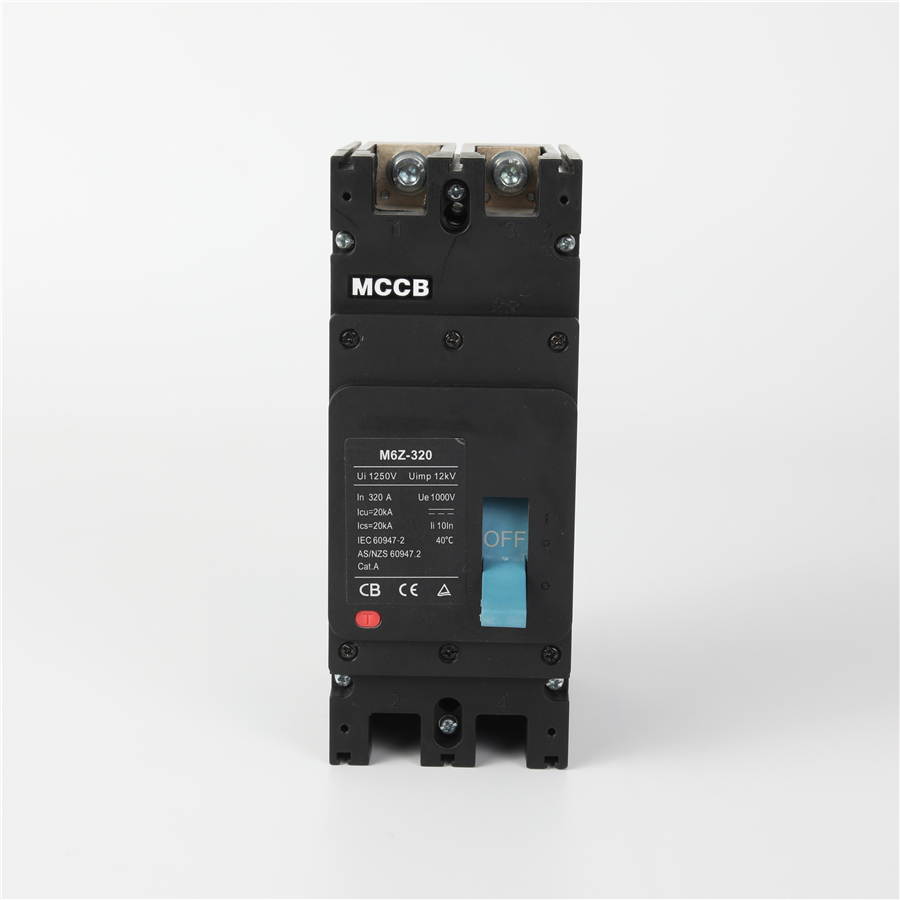
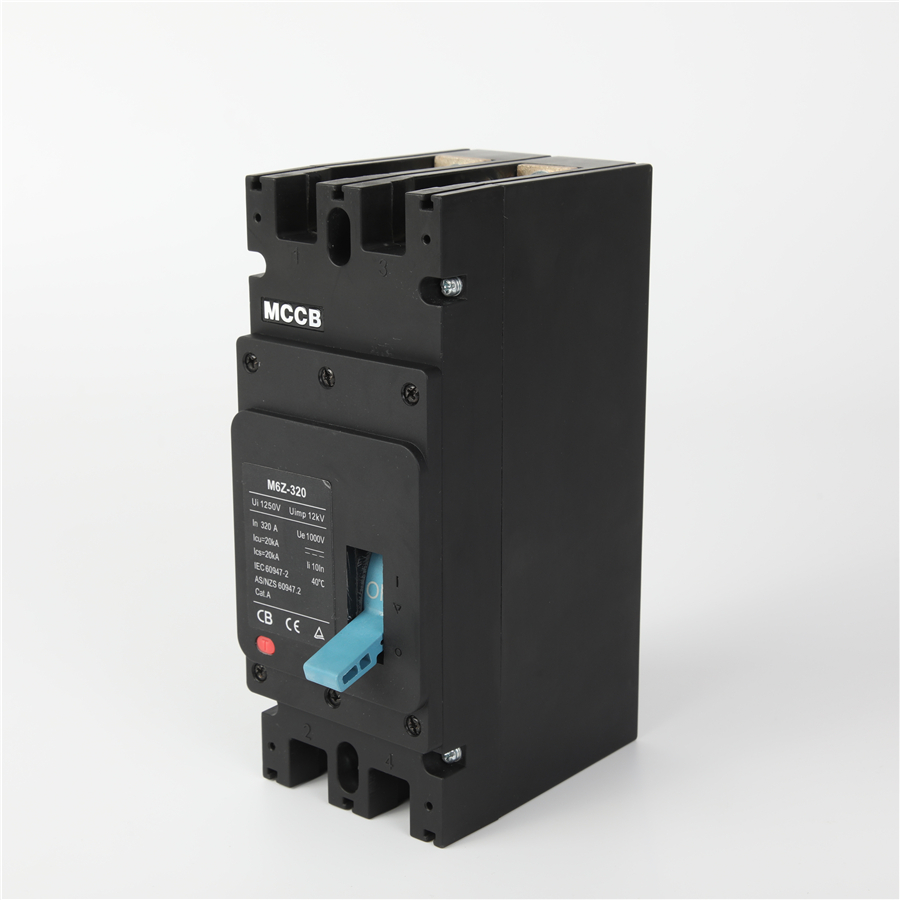
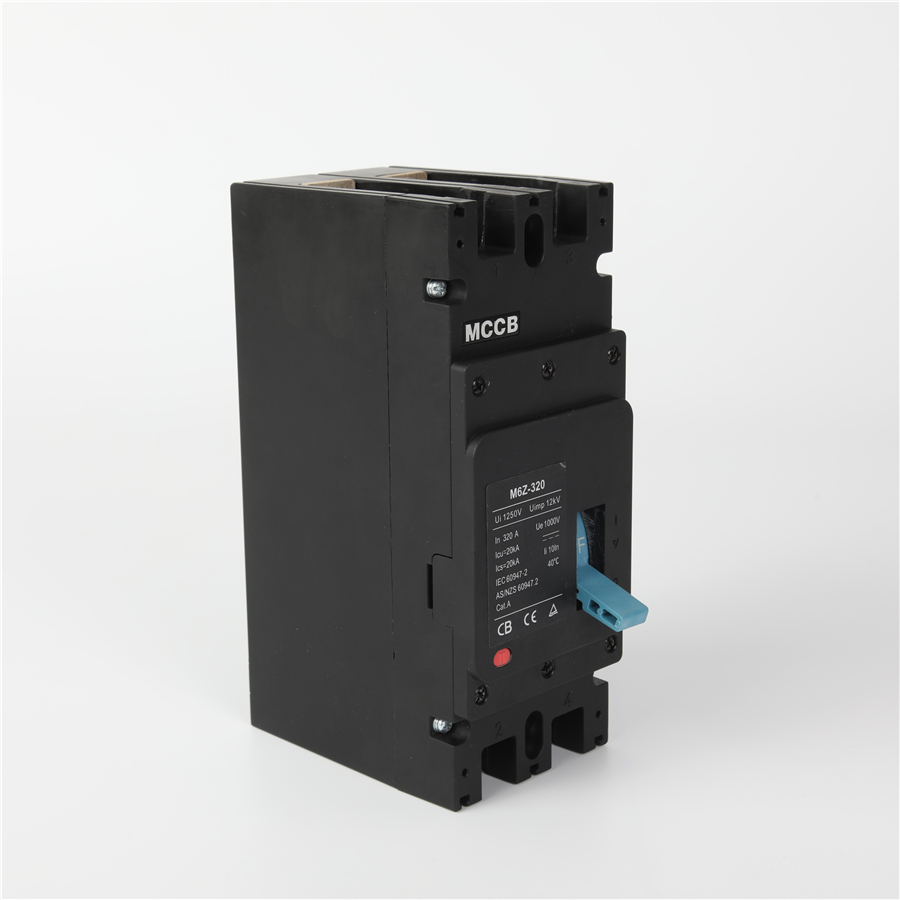
A High-Performance DC Molded Case Circuit Breaker (MCCB) is an electrical protection device designed specifically for direct current (DC) circuits. It protects electrical equipment against overloads and short circuits, ensuring high breaking capacity and reliable operational safety in demanding DC applications.
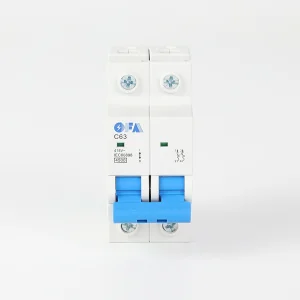
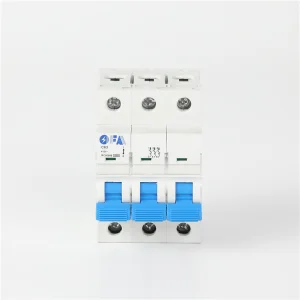
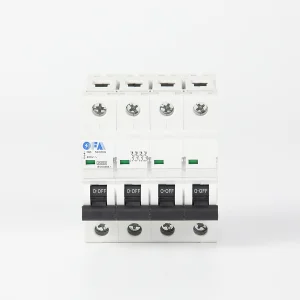
The number of poles (2P vs. 3P) indicates the internal switching contacts available. A 2P DC breaker is typically used for lower voltage DC systems, while a 3P (or 4P) configuration allows series wiring of poles to handle higher operating DC voltages and improve arc quenching performance.
They are widely applied in solar photovoltaic (PV) systems, battery energy storage systems (BESS), EV charging infrastructure, data centers, telecom power supplies, and industrial DC power networks.
Unlike alternating current (AC), direct current does not have a natural zero-crossing point. This makes DC electric arcs much harder to extinguish. High-performance DC MCCBs utilize specialized magnetic blowouts and arc chutes to interrupt high DC fault currents safely.
Key factors include the system's rated operating voltage (Ue), rated current (In), ultimate short-circuit breaking capacity (Icu), ambient temperature, and specific application standards (e.g., IEC or UL standards).