 OFA Electrical
1 / 3
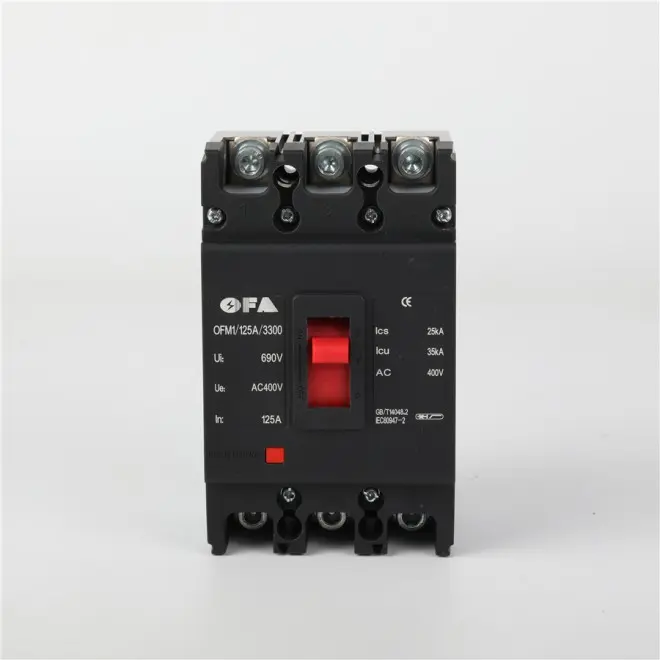
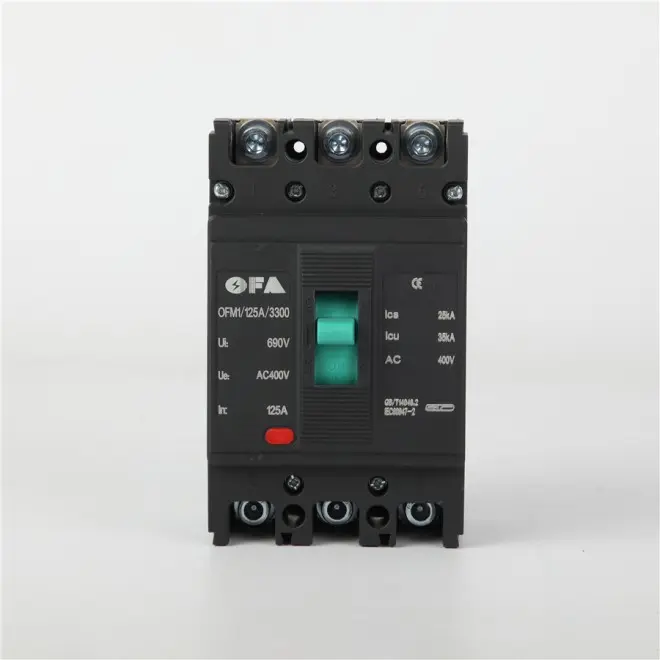
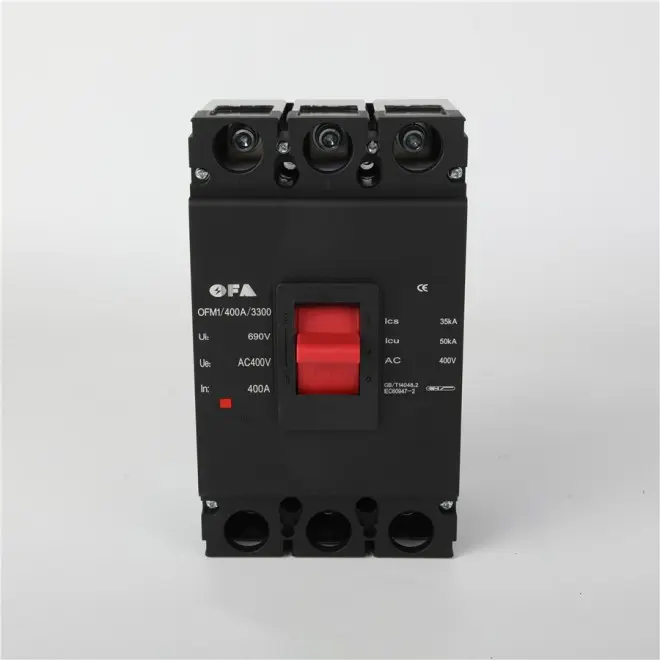
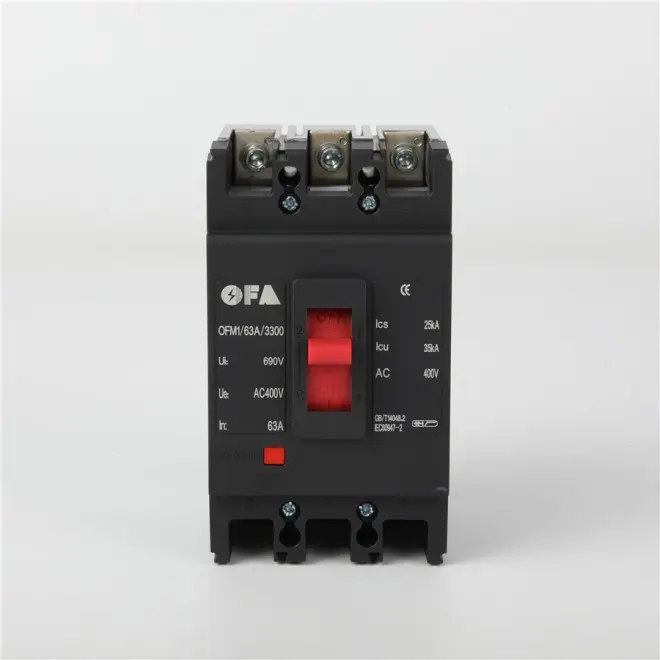
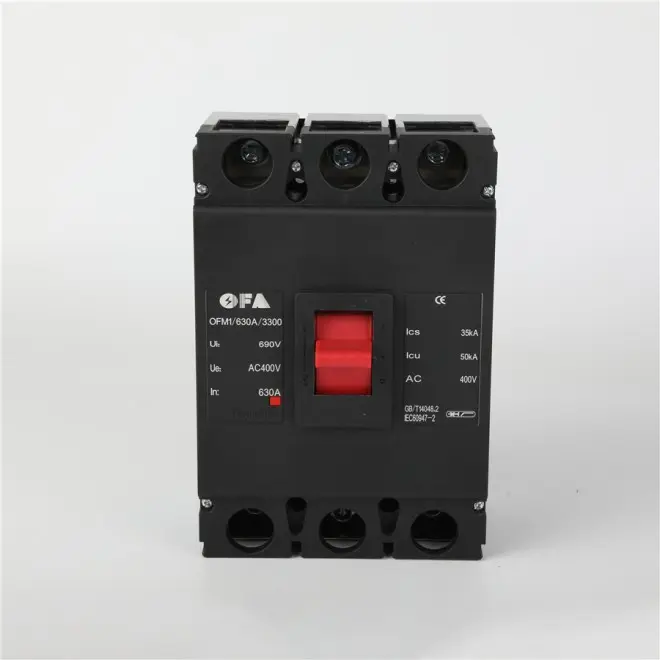
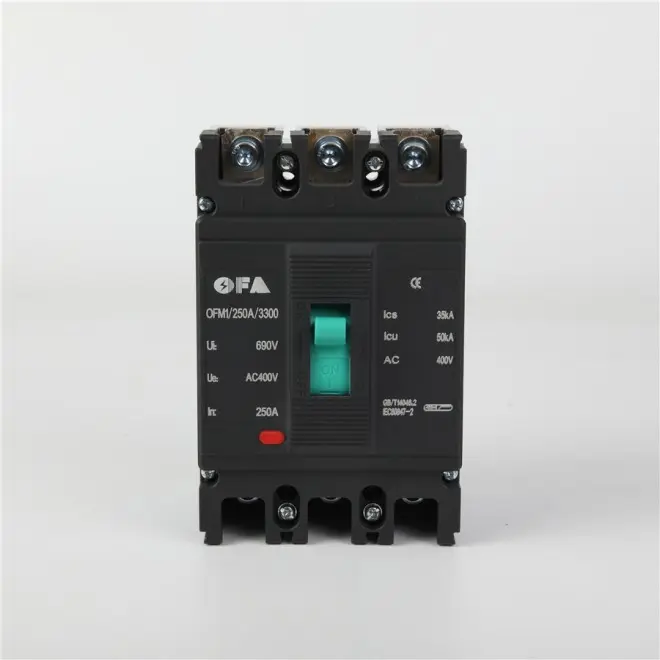
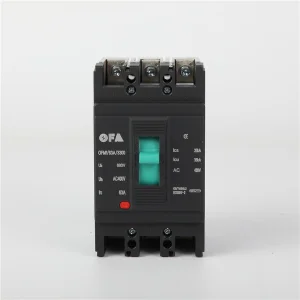
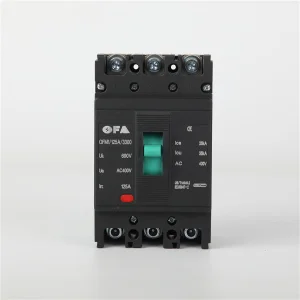
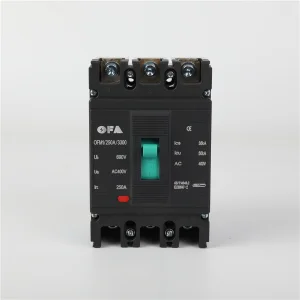
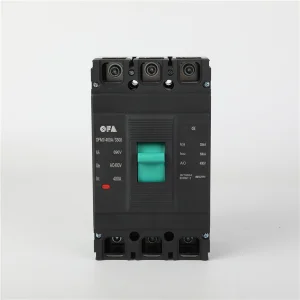
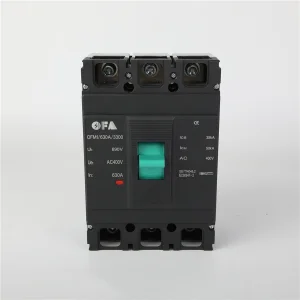
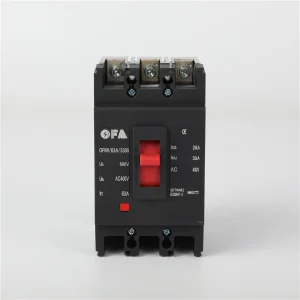
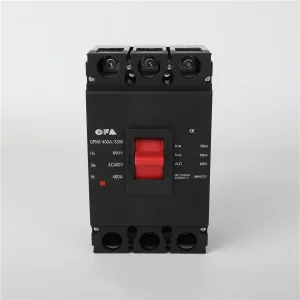
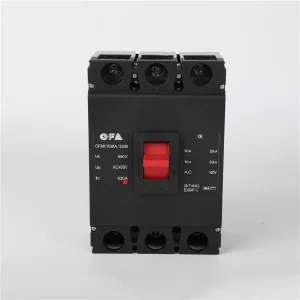
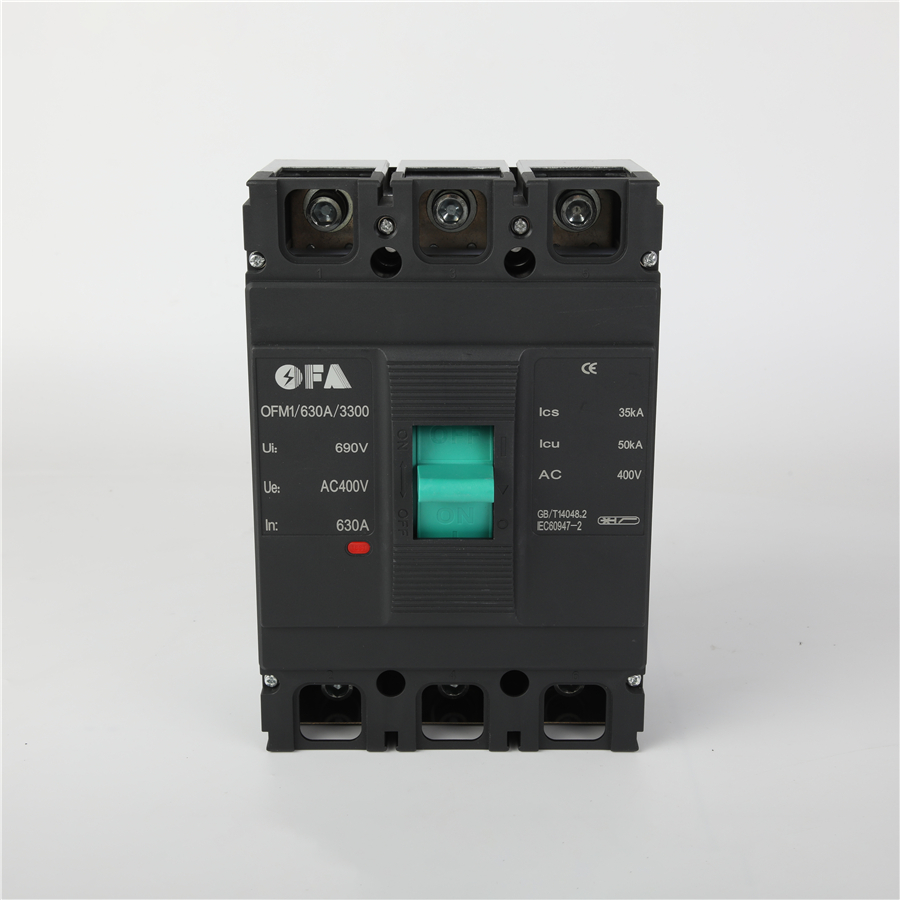
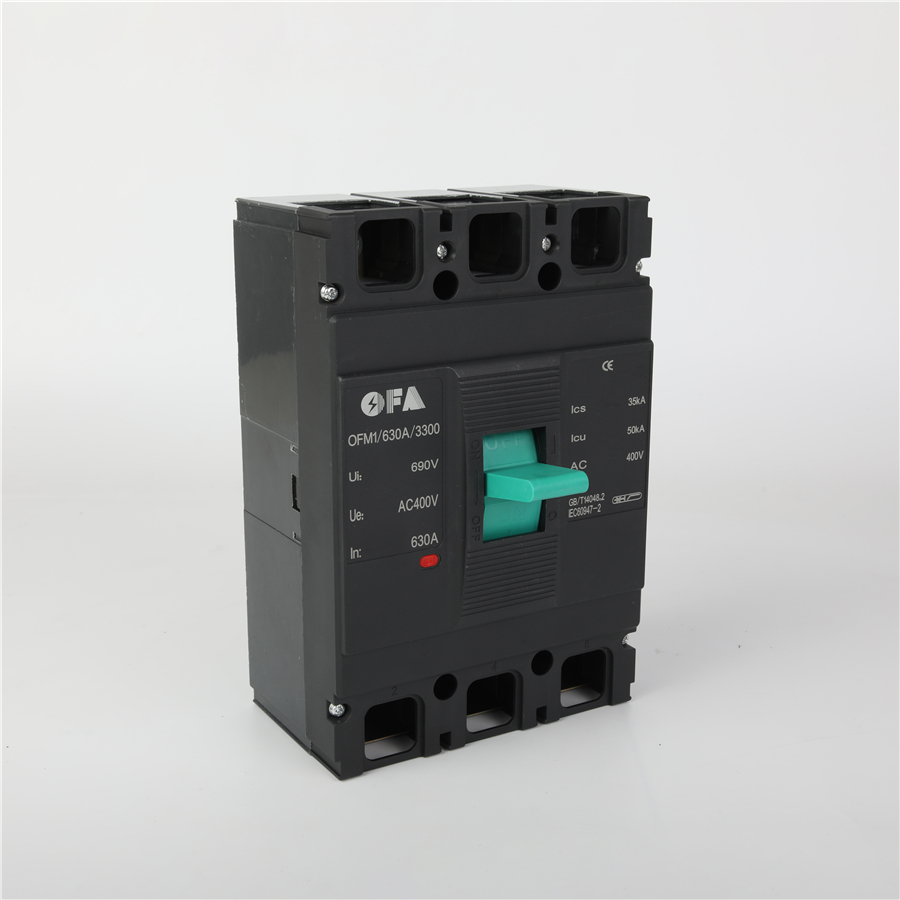
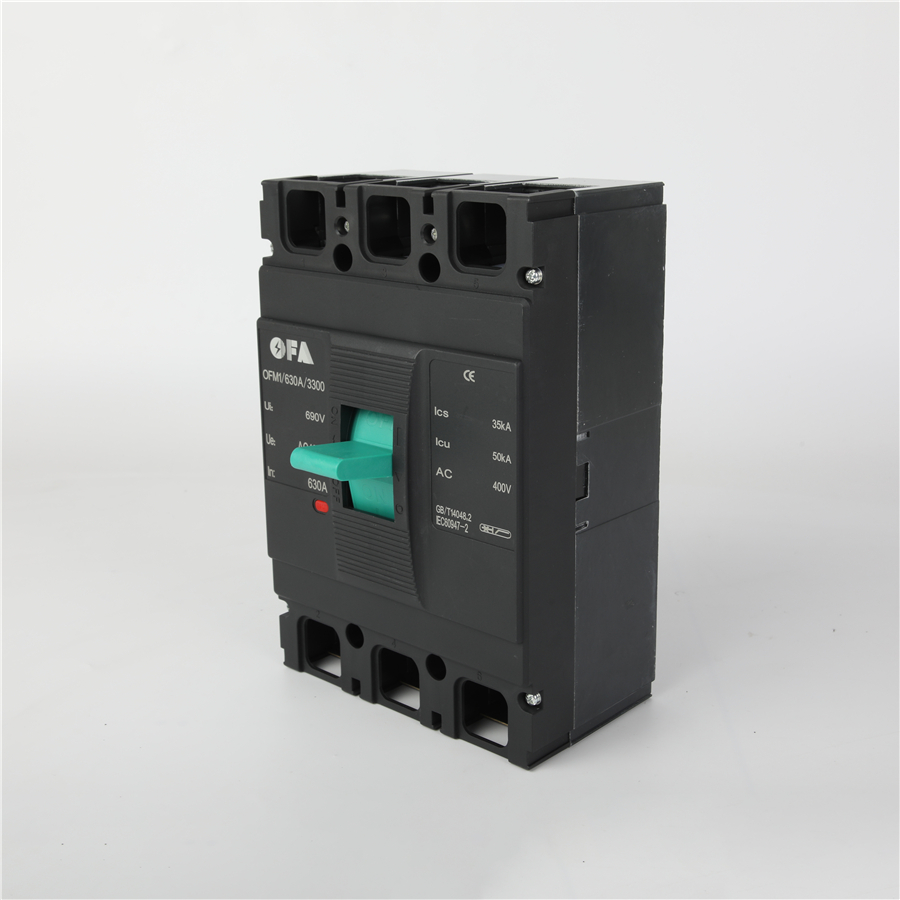
A Molded Case Circuit Breaker (MCCB) is a type of electrical protection device used to protect the electrical circuit from excessive current, which can cause overload or short circuits. It features a molded plastic housing to enclose all of its components.
The selection depends on the total continuous current demand of your system, electrical load characteristics, and safety margins. The rated current of the MCCB should match or slightly exceed the maximum continuous operating current of the circuit it protects.
OFM1 series MCCBs provide essential protection against thermal overloads and short circuits, ensuring system stability, protecting electrical distribution networks, and preventing equipment damage.
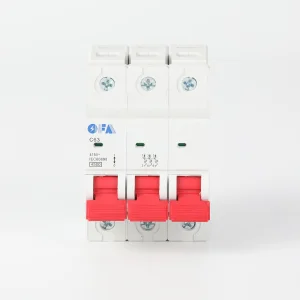
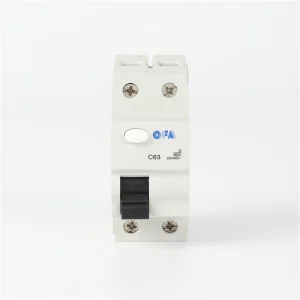
MCBs (Miniature Circuit Breakers) are primarily used for low-current applications (typically up to 100A) in residential or light commercial settings. MCCBs handle higher current ratings (up to 2500A) with adjustable trip settings, making them suitable for industrial and heavy commercial applications.
They are widely used in commercial distribution panels, industrial power grids, main switchboards, motor control centers, and renewable energy distribution systems.
Routine visual inspections should be performed annually, while comprehensive mechanical and electrical testing is recommended every 1 to 3 years depending on the operating environment and usage frequency.